**Holding Fossil Fuel Companies Accountable for Climate Change**
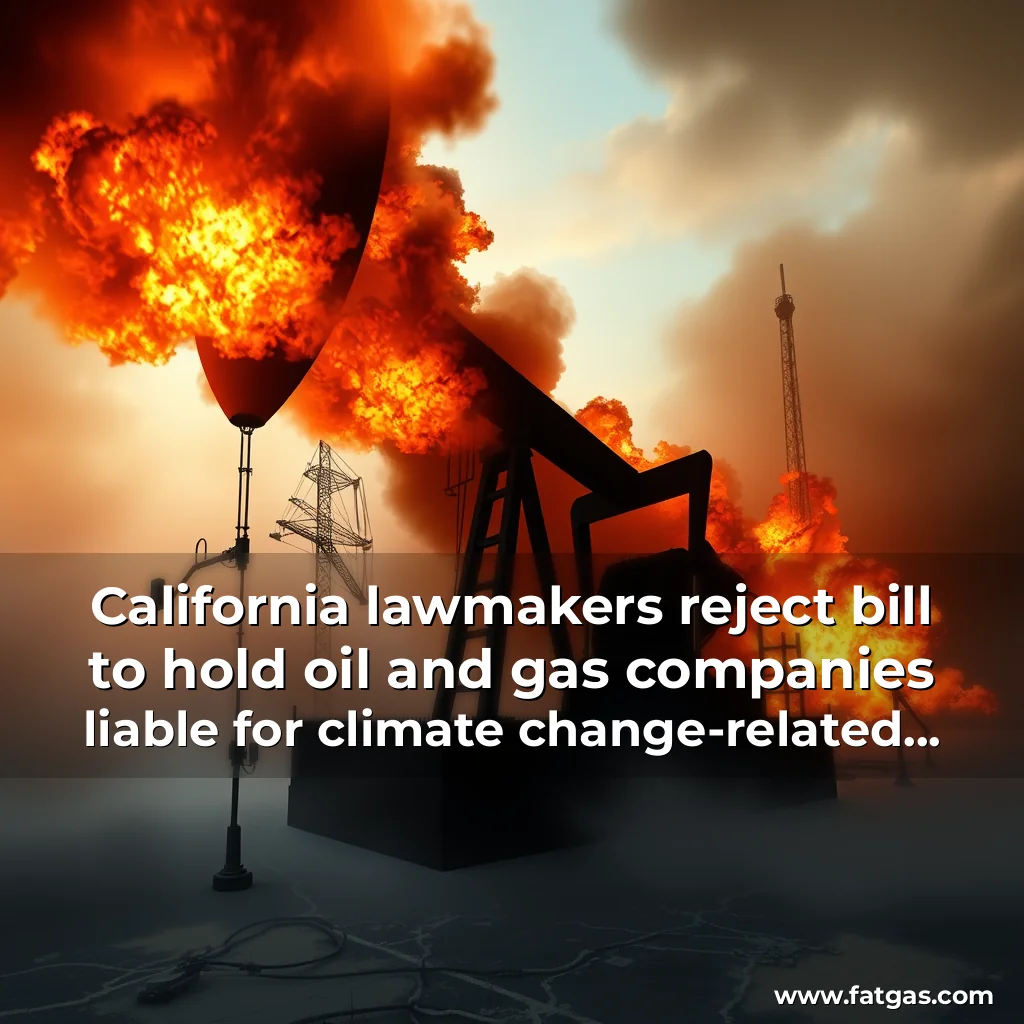
The California State Senate Judiciary Committee has blocked a bill aimed at making oil and gas companies liable for damage to homes from natural disasters caused by climate change. The proposal would have allowed victims of natural disasters, including fires, floods, and hurricanes, to sue fossil fuel companies over harm to themselves or their property for damage totaling at least $10,000. Home insurers would also have been able to seek damages under the legislation.
Key Provisions of the Bill
- Allowed victims of natural disasters to sue fossil fuel companies for damage totaling at least $10,000
- Enabled home insurers to seek damages under the legislation
- Made oil and gas companies liable for harm to themselves or their property due to climate change-related natural disasters
The bill was rejected late Tuesday, with several Democrats abstaining, but left open the possibility for it to be reconsidered later this year. Opponents argued that it would threaten jobs in the energy industry and make it difficult to prove a specific company’s responsibility for a particular natural disaster.
Arguments Against the Bill
- Would threaten jobs in the energy industry
- Would make it difficult to prove a specific company’s responsibility for a particular natural disaster
- Would lead to higher gas prices
State Sen. Scott Wiener, the Democrat who authored the bill, rejected the argument that it would lead to higher gas prices. He said that the bill was about holding the fossil fuel industry accountable for the impacts of climate change. “Today’s vote is a setback for the victims of the Los Angeles wildfires and for the cost of living in California,” Wiener said in a statement. “Victims of the Eaton and Palisades Fire — and of all climate disasters — deserve accountability for the decades of Big Oil lies that devastated their communities.”
Climate Change and Natural Disasters
Climate change has made natural disasters more frequent and intense. When fossil fuels such as oil and gas are burned for energy, carbon dioxide and other emissions enter the Earth’s atmosphere, causing the planet to warm.
Examples of Climate Change-Related Natural Disasters
- Fires: The 2018 Camp Fire in California, which burned over 18,000 homes and killed 85 people, is an example of a climate change-related disaster.
- Floods: The 2017 Hurricane Harvey in Texas, which caused over $125 billion in damage, is another example.
- Hurricanes: The 2018 Hurricane Michael in Florida, which caused over $25 billion in damage, is also a climate change-related disaster.
Consequences of Blocking the Bill
- Victims of natural disasters, including those affected by the Los Angeles-area fires, may not receive the compensation they need to rebuild their homes and lives.
- The burden of covering damage costs may fall on home insurers, who may increase their premiums to compensate for the risk.
- The decision not to support the bill may be seen as a prioritization of economic interests over environmental concerns.
Opportunities for Reform
- California can continue to lead the way in climate policy and advocate for greater accountability of fossil fuel companies.
- Other states can take note of California’s efforts and consider enacting similar legislation.
- There may be opportunities for reform and revision of the bill in the future.
Relevant Laws and Policies
| California’s Climate Policy | Limitations on emissions from cars, lawn mowers, trucks, and trains |
| California Air Resources Board | Pulled back requests for federal approval to enforce rules curbing pollution from diesel-powered big rigs and trains |
| Trump Administration | Introduced proposals to block state policies approved by President Joe Biden’s administration |
Quotes from Lawmakers
“Today’s vote is a setback for the victims of the Los Angeles wildfires and for the cost of living in California. Victims of the Eaton and Palisades Fire — and of all climate disasters — deserve accountability for the decades of Big Oil lies that devastated their communities.” — State Sen. Scott Wiener
Why Climate Change Matters
Climate change has a profound impact on the environment and human societies. The burning of fossil fuels is a significant contributor to greenhouse gas emissions, which accelerate global warming. Rising temperatures and extreme weather events, such as hurricanes and wildfires, have devastating consequences for communities and ecosystems.
Why Accountability is Crucial
- Victims of climate change-related disasters deserve compensation for their losses.
- Climate change poses a significant threat to public health, particularly for vulnerable populations.
- Accountability is essential for preventing the worst impacts of climate change.
Conclusion
The rejection of the bill to hold oil and gas companies liable for climate change-related natural disasters is a setback for the victims of the Los Angeles wildfires and for the cost of living in California. However, it also highlights the need for ongoing efforts to address the root causes of climate change and promote accountability of those responsible. By continuing to advocate for climate policy and hold fossil fuel companies accountable, California can lead the way in reducing greenhouse gas emissions and mitigating the impacts of climate change.