
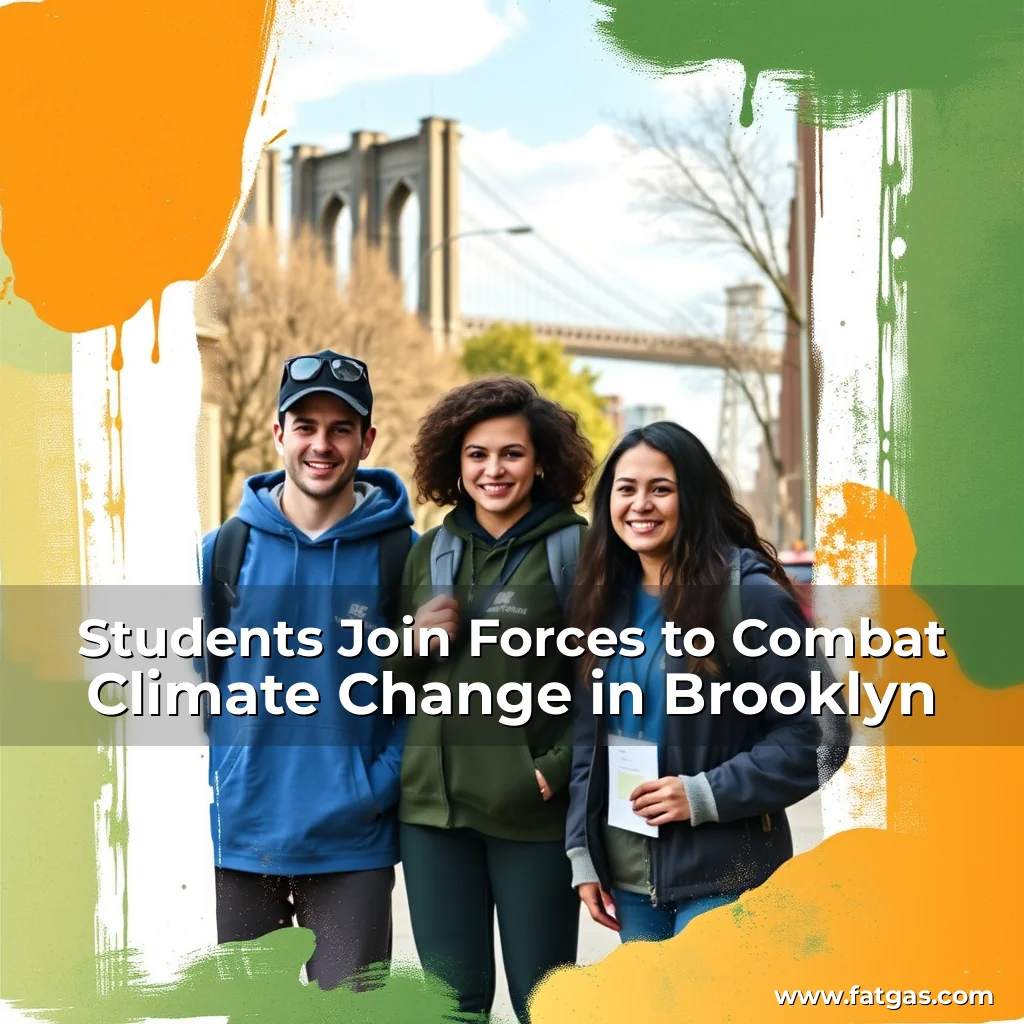
The students participating in the planting season were a diverse group from 20 public schools across New York City. These young people showed their commitment to helping their community. • Brooklyn, Queens, Manhattan, and the Bronx were represented by students from 20 public schools participating in the Resilient Schools and Communities (RiSC) program. • The students were tasked with planting 14,100 American beach grass culms and collecting nearly 1,600 pounds of debris from the shoreline.
| Day | Tasks | Debris Collected (Pounds) |
| 1 | Planting American beach grass | 150 |
| 2 | Planting American beach grass | 200 |
| 3 | Collecting debris from the shoreline | 400 |
| 4 | Planting American beach grass | 400 |
| 5 | Collecting debris from the shoreline | 600 |
A unique aspect of the program was the inclusion of educational powwows. These daily events provided a chance for students to learn about dune ecology, stormwater management, and climate resilience.
“We are proud to be a part of this innovative program, which empowers young people to become stewards of the environment,” said Abby Jordan, Climate Education Program Manager for the National Wildlife Federation (NWF)/RiSC Climate Education Program.
Coney Island, a peninsula in southern Brooklyn, is highly vulnerable to climate impacts. The area faces threats from sea-level rise, stormwater surges, and increased flooding. • A FEMA flood evacuation zone, Coney Island is already at risk from coastal flooding. • Storm Sandy in 2012 caused significant damage and displacement in the area. • Sea-level rise and stormwater surges continue to pose threats to the neighborhood. • A Social Vulnerability Index of 0.8845 indicates Coney Island as one of the most vulnerable neighborhoods in New York City. “Having a young person from Coney Island or a Brooklyn neighborhood at 15 come out to a coastal park like Coney Island Creek Park to talk about climate change, talk about sea level rise, talk about the challenges, and then be part of the solution, then it just comes in a little bit more grounding feature,” added Jordan. American beach grass has proven to be an effective solution in combating coastal erosion and flooding. The plant’s dense root system helps to stabilize sand dunes and filter pollutants from the water. Ammophila breviligulata, the scientific name for American beach grass, provides a number of benefits, including:
• Reducing wave impact
• Filtering pollutants
• Providing habitats for wildlife
• Stabilizing the sand
The students involved in the planting program demonstrated a strong commitment to addressing climate change. “We are truly creative and bright, and still curious about the world,” said Jordan. “This anger and fear of why we are not moving towards solutions to address this very serious, very scary problem that is climate change.”
The RiSC program has been a success in engaging young people and empowering them to take action against climate change. “Even students who grew up in Coney Island had never visited the Creek Park before,” said Jordan. “They’re amazed to discover this place, and that they can be part of restoring it.”
Living shorelines, such as the one the students helped build, offer a natural defense against coastal erosion and flooding. By anchoring sand dunes with native vegetation, such as American beach grass, the risk of flooding can be reduced. “The subterranean root network created by the American beach grass helps to stabilize the sand,” said Jordan. “It’s a proven solution to mitigate — not eliminate — coastal flooding, erosion, and storm surge.”
The students’ participation in the planting program is a testament to the power of community-led initiatives in addressing climate change. “I want to make sure that my voice is heard and that my community is protected,” said a student involved in the program. By working together, students, community members, and organizations can make a significant difference in addressing climate change.