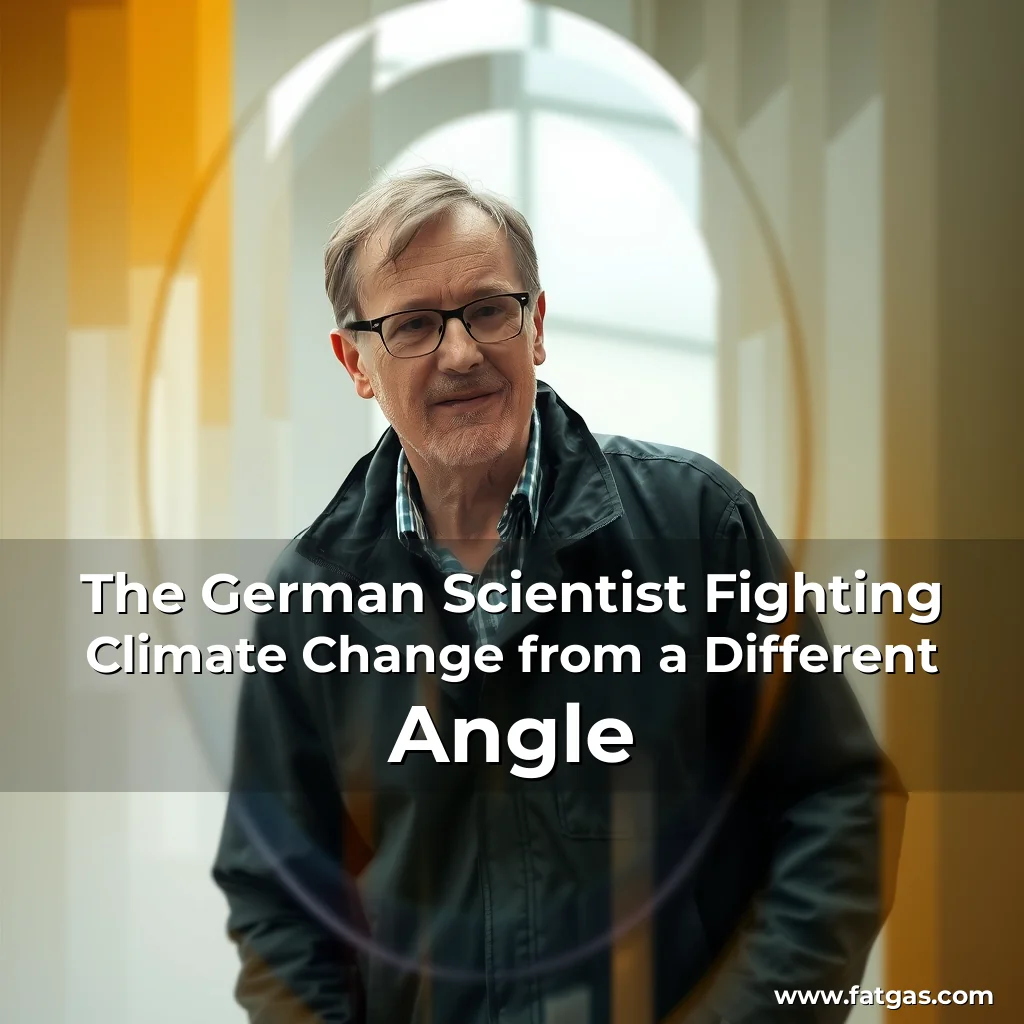
Friederike Otto is a senior lecturer in climate science at Imperial College London and the co-founder of the World Weather Attribution initiative. Her second book, Climate Injustice: Why We Need to Fight Global Inequality to Combat Climate Change, challenges the conventional wisdom that the climate crisis is solely caused by human activities releasing greenhouse gases into the atmosphere.
The Intersection of Climate Change and Global Inequality
Ottos book argues that the climate crisis is not just a problem of individual behavior, but a symptom of a broader issue of global inequality and injustice. She points out that the people who are most affected by climate change are often the ones who are already poor and marginalized.
- For example, climate change exacerbates heatwaves, which disproportionately affect the poor and vulnerable in urban areas.
- Similarly, hurricanes, floods, and wildfires disproportionately affect communities of color and low-income neighborhoods.
- These factors are often exacerbated by ill-suited architecture and poverty, making it even harder for marginalized communities to adapt to the changing climate.
Ottos research suggests that the climate crisis is not just a global problem, but a local one that affects the most vulnerable populations the most.
The Role of Wealth and Power in Climate Change
Ottos book also highlights the role of wealth and power in perpetuating the climate crisis. She argues that the wealthy elite who benefit from the burning of fossil fuels are often the same ones who deny the existence or severity of the climate crisis.
- The wealthy elite have a vested interest in maintaining the status quo, which means continuing to burn fossil fuels and ignoring the climate crisis.
- They use their power and influence to shape public opinion and policy, often downplaying the role of human activities in causing the climate crisis.
- This can lead to policies that prioritize economic growth over environmental protection, further exacerbating the climate crisis.
Ottos research suggests that addressing the climate crisis will require a fundamental transformation of our economic and social systems.
What Can We Do About It?
Ottos book offers a vision for a more just and equitable world, one that prioritizes the needs of the most vulnerable populations. She argues that we need to rethink our economic and social systems to prioritize people and the planet over profit.
“The climate crisis is not just an environmental issue, it’s a social justice issue. We need to recognize the disproportionate impact of climate change on marginalized communities and work towards a more just and equitable world.”
Ottos work offers a powerful reminder that the climate crisis is not just a problem of individual behavior, but a symptom of a broader issue of global inequality and injustice. By acknowledging and addressing these underlying issues, we can work towards a more sustainable and equitable future.
Friederike Otto is a senior lecturer in climate science at Imperial College London and the co-founder of the World Weather Attribution initiative.