
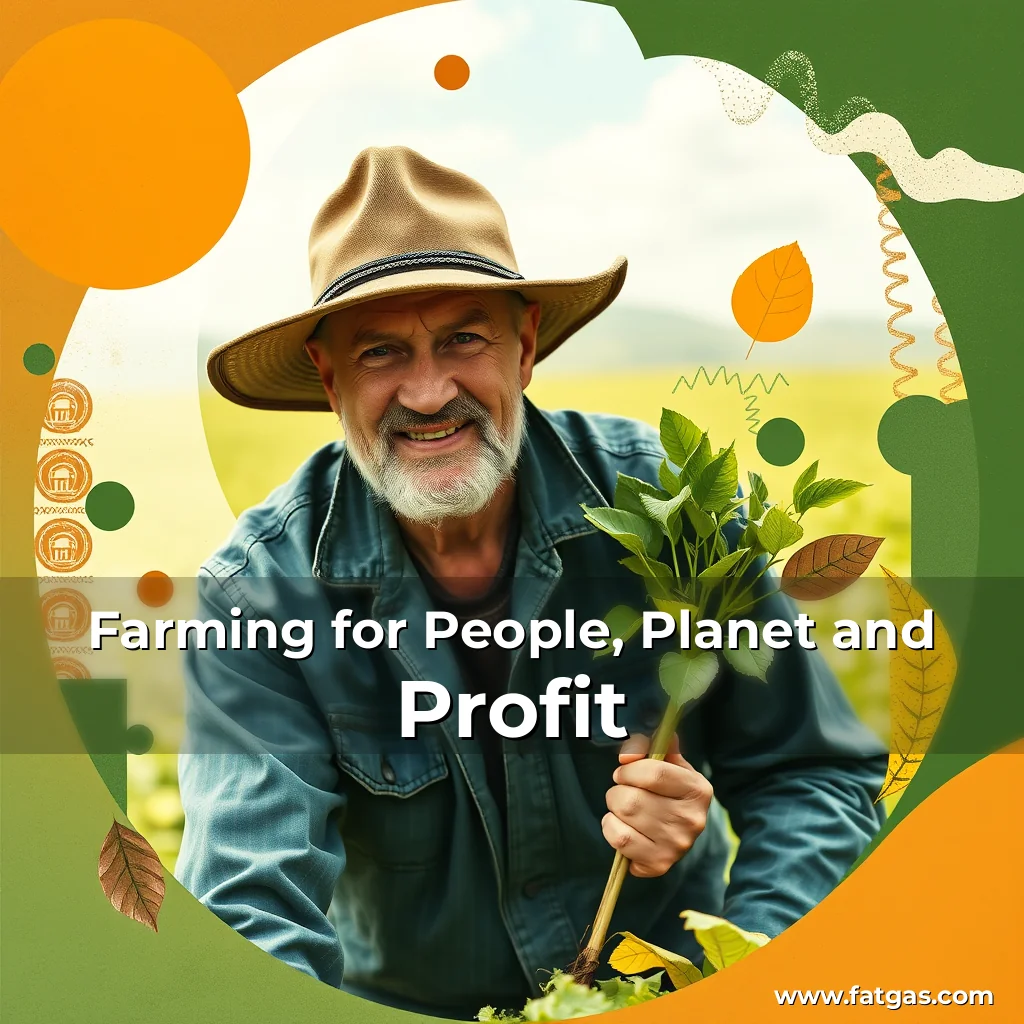
Farming for the future requires a fundamental transformation of the UK’s food system. For nearly two decades, the industry has been driven by industrial-scale agriculture, prioritizing efficiency and profit over environmental sustainability and social justice. This approach has led to catastrophic consequences, including biodiversity loss, climate change, and soil degradation.
- 85% of the UK’s land is dedicated to grazing and feed crops for meat and dairy production, which accounts for only a third of the calories and less than half of the protein consumed.
- Food waste is a significant issue, with an estimated 19 million meals of edible food going uneaten each day.
- Insect abundance has dropped by more than two-thirds since 2004, exacerbating the decline of pollinators.
However, there is hope for a more sustainable and regenerative approach to farming. By adopting practices that prioritize soil health, biodiversity, and efficient use of resources, farmers can not only reduce their environmental impact but also improve the nutritional value of their crops.
| Regenerative farming methods: | • Soil conservation and improvement through cover crops and crop rotation | • Efficient water use and management | • Integration of livestock grazing and forage production | • Agroforestry and woodland management |
For consumers, there are many ways to support these new approaches to farming. By choosing locally sourced and seasonal produce, reducing meat consumption, and supporting community gardens and urban agriculture initiatives, individuals can make a positive impact on the food system.
“The food system is a complex web of relationships between farmers, producers, and consumers. By working together and prioritizing the well-being of people and the planet, we can create a more sustainable and equitable food system.”
Community-led initiatives like the Long Table in Brimscombe Mill, Stroud, are already showing the potential for this new approach. By providing nutritious food on a ‘pay what you can afford’ basis, these initiatives are not only improving access to healthy food for all but also fostering community renewal and social connection.
Financial support is also crucial to enable farmers to adopt these regenerative methods. Governments and organizations can provide incentives and resources to help farmers transition to more sustainable practices, while also ensuring that consumers have access to affordable and nutritious food.
Ultimately, farming for the future requires a fundamental shift in how we think about food, production, and consumption. By prioritizing the well-being of people and the planet, we can create a more sustainable and equitable food system that benefits all.
There is an opportunity for consumers to support regenerative farming methods by choosing locally sourced and seasonal produce, reducing meat consumption, and supporting community gardens and urban agriculture initiatives.

news is a contributor at FatGas.com. We are committed to providing well-researched, accurate, and valuable content to our readers.