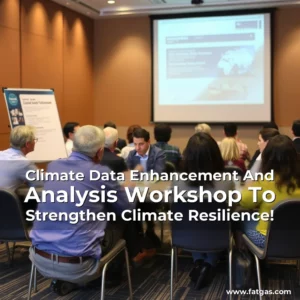

Climate change is a pressing global issue that requires a collective effort to address. The Participatory Approach to Climate and Environmental Protection (PACE) is a movement that has been advocating for stronger climate policies and greater public involvement in mitigating the challenges of climate change.
Building Resilient Systems
The PACE team, led by Mr. Auwalu Hamza in Kano State, emphasizes the importance of building resilient systems that strengthen democratic institutions and promote inclusive economic growth. These systems are critical in addressing the root causes of climate change, such as poverty, inequality, and lack of access to education and resources.
- • Government must play its part by enacting and enforcing sound policies and regulations, as well as building effective institutions.
- • The private sector and individuals also have significant roles to play in tackling climate challenges.
- • Individuals must take ownership of the issue because climate change directly affects their health, livelihoods and general well-being.
The PACE team works closely with the Foreign, Commonwealth and Development Office (FCDO) to support Nigeria’s response to climate-related challenges. This collaboration is essential in promoting a shared understanding of the impact of climate change and the importance of collective action.
The Importance of Public Involvement
Mr. Hamza stressed the need for greater public involvement in addressing climate change. He emphasized that the day serves as a reminder that addressing climate change should not be left to government alone, but rather should be a collective responsibility.
| Key Takeaways | Why is Public Involvement Important? |
|---|---|
| • Climate change affects health, livelihoods and general well-being. | • Public involvement is essential for building resilient systems and promoting inclusive economic growth. |
| • The day serves as a reminder that addressing climate change is a collective responsibility. | • Public involvement can help build a shared understanding of the impact of climate change. |
“Mitigating climate change is a collective responsibility. Government must play its part by enacting and enforcing sound policies and regulations, as well as building effective institutions.” – Mr. Auwalu Hamza
Collaboration for a Sustainable Future
The PACE team operates at the intersection of governance and climate, supporting Nigeria’s response to climate-related challenges. This collaboration is essential in promoting a shared understanding of the impact of climate change and the importance of collective action.
For example, in Nigeria, the PACE team has worked with local communities to develop and implement climate-resilient projects, such as sustainable agriculture and renewable energy initiatives.
Conclusion
The Participatory Approach to Climate and Environmental Protection (PACE) is a movement that emphasizes the importance of collective action in addressing the challenges of climate change. By building resilient systems, promoting public involvement, and collaborating with governments and the private sector, we can work together to build a sustainable future for all.
The 2025 World Environment Day serves as a timely reminder of the shared responsibility in protecting the environment and ensuring a sustainable future.
As we move forward, it is essential that we continue to work together to address the pressing issue of climate change.