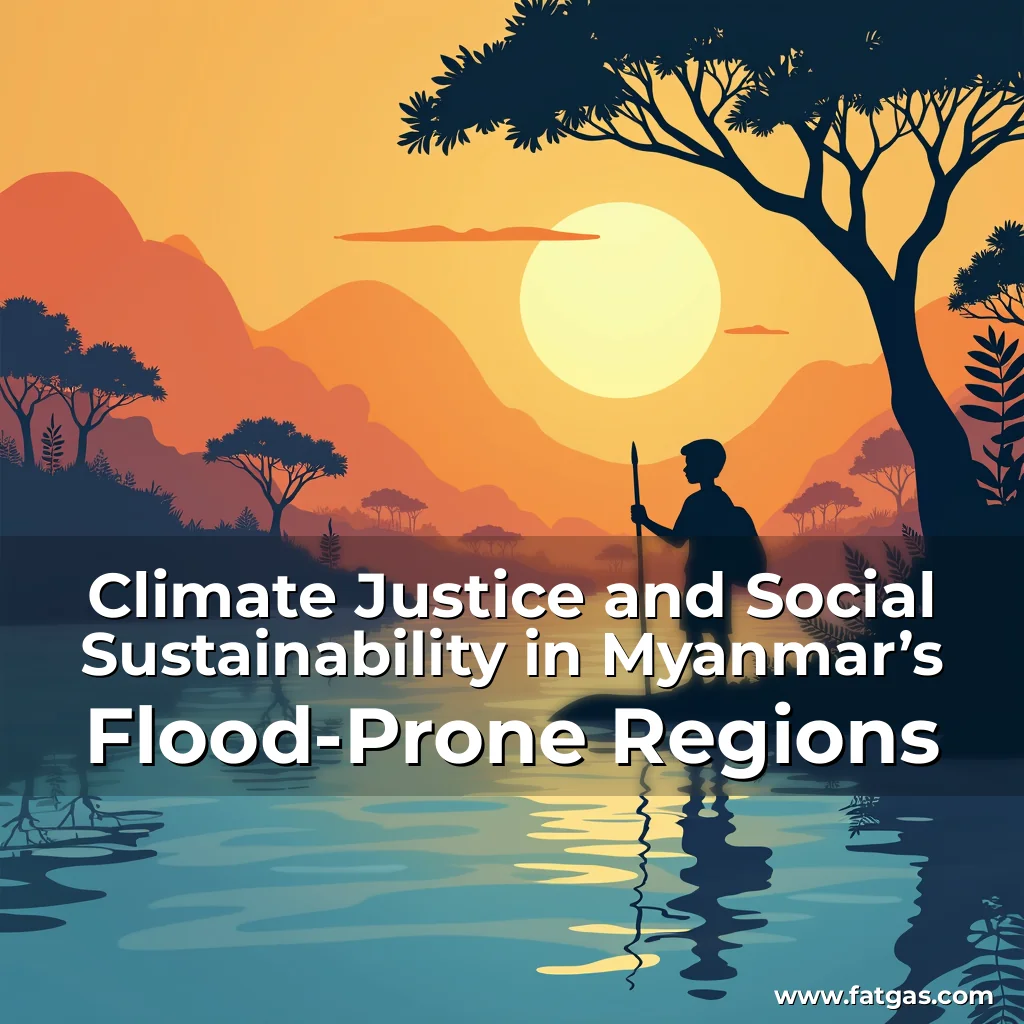
Flooding in Myanmar is a pressing issue, exacerbated by climate change and rising sea levels. The consequences of these floods can be severe, causing damage to infrastructure, homes, and agriculture. In addition, the country’s social and economic disparities exacerbate the effects of climate-related disasters on vulnerable populations.
The Impact of Climate Change on Vulnerable Communities
Climate change has an unequal impact on vulnerable communities, including low-income nations, indigenous people, and marginalized groups. These communities frequently lack access to resources, infrastructure, and social support networks to respond to and recover from climate-related disasters.
Key Factors Contributing to Climate-Related Flooding in Myanmar
- Climate change and rising sea levels
- Poor governance and corruption
- Weak disaster preparedness and response systems
- Limited access to resources and infrastructure
- Conflicts and social instability
Climate Justice and Social Sustainability in Myanmar
Social sustainability means creating resilient, inclusive, and equitable communities that can recover and adapt to challenging situations. It incorporates social well-being, environmental, and economic factors to promote sustainable development.
Addressing Climate Justice and Social Sustainability in Myanmar
To address climate justice and social sustainability in Myanmar, we must:
- Identify and address the underlying structural inequities that increase vulnerability
- Prioritize fairness and inclusive, rights-based methods in climate initiatives
- Collaborate among government agencies, civil society, indigenous leaders, and global partners
- Advance education, innovation, and the preservation of traditional ecological knowledge
Indigenous Peoples and Climate Change in Myanmar
Indigenous communities in Myanmar are at the forefront of the climate issue, but they are often excluded from national climate policy and land governance frameworks. Ensuring their rights and meaningful involvement is vital to the future of Myanmar’s just and sustainable climate.
Recommendations for Climate Justice in Myanmar
- Access the Loss and Damage fund to support resilience and recovery in affected areas
- Implement inclusive, community-led, and rights-based initiatives
- Advance education, innovation, and the preservation of traditional ecological knowledge
- Collaborate among government agencies, civil society, indigenous leaders, and global partners
Conclusion
Flooding in Myanmar is a pressing issue that requires a comprehensive approach to address climate justice and social sustainability. By prioritizing fairness, inclusivity, and rights-based methods, we can create a more just and resilient society for all, ensuring no one is left out when the storms rise.