The Challenges Faced by Young Climate Leaders
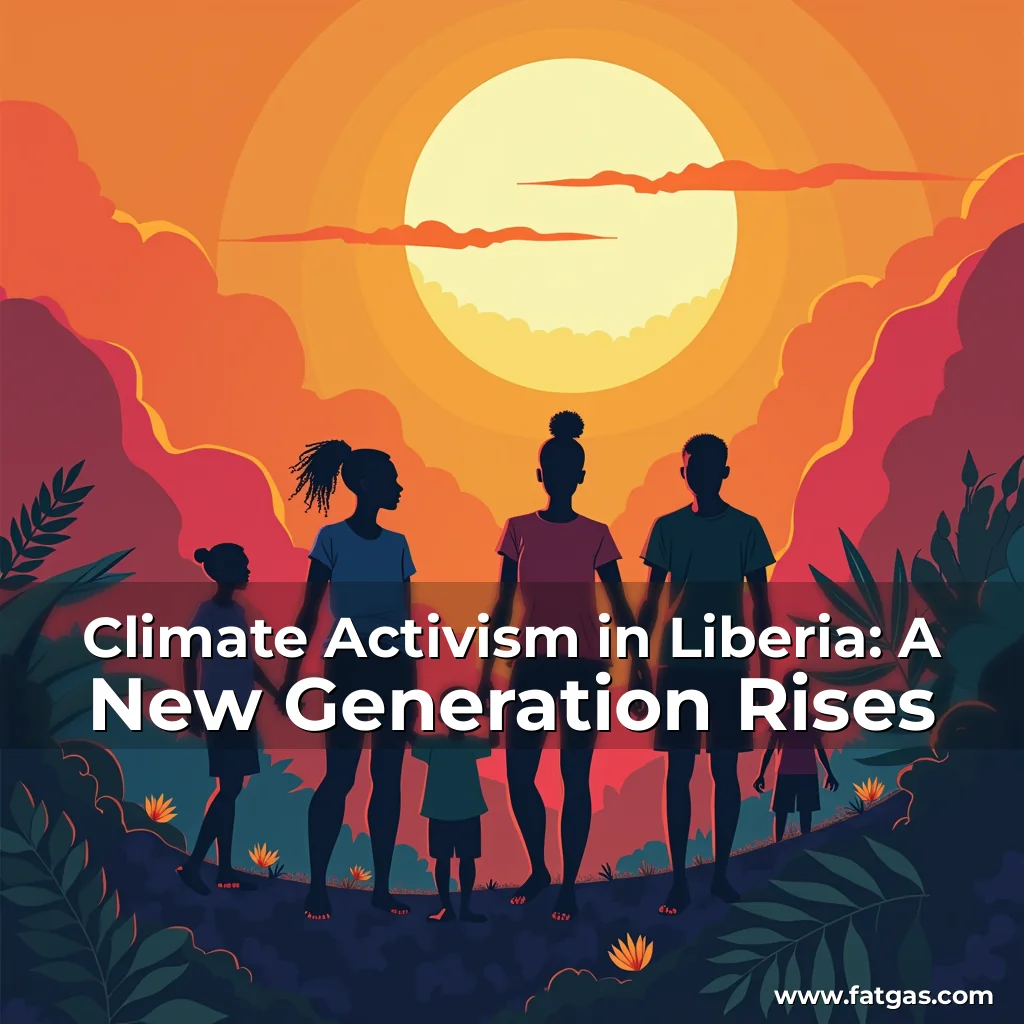
Young climate leaders in Liberia face immense challenges. Despite their courage and innovation, they remain under-resourced and often ignored in decision-making spaces. The lack of access to funding, training, and recognition hinders their ability to scale up their efforts and make a significant impact.
- Climate change is already affecting Liberia, with frequent flooding, coastal erosion, and extreme heat.
- The youth-led initiatives lack the necessary funding, training, and recognition to make a substantial difference.
- The government and private sector actors must recognize the potential of young climate leaders and increase investment in youth-driven climate solutions.
Initiatives from Young Climate Leaders
Young climate leaders in Liberia are taking action at the grassroots level. Organizations such as Liberian Youth for Climate Actions, Youth Go-Green Network, and Center for Youth Leadership and Environmental Studies are spearheading monthly clean-up drives, environmental education programs, and campaigns against illegal logging and plastic pollution.
- Mardea Awotwe, a young Liberian environmentalist, recently represented Liberia at the UN climate negotiations in Bonn, Germany.
- Rural youth in regions like Grand Bassa and Rivercess are mobilizing to preserve forests and protect biodiversity.
- Young people are developing real solutions, such as using recycled plastic to create eco-bricks and launching social media campaigns to raise awareness about climate justice and sustainability.
The Global Context
Liberia is not alone in facing systemic challenges in climate activism. Young people across the Global South face similar hurdles, including limited access to funding, language barriers, poor internet infrastructure, and restricted access to international forums.
| Challenges | Examples |
|---|---|
| Access to funding | Senegal, Samoa, and other developing nations struggle to secure funding for climate initiatives. |
| Language barriers | Language differences hinder communication and collaboration between young climate leaders and international organizations. |
| Poor internet infrastructure | Many young climate leaders in the Global South lack reliable internet access, making it difficult to participate in global forums and share their work. |
| Restricted access to international forums | Young people from developing nations often face barriers in accessing international climate negotiations and decision-making platforms. |
The Case for Investment
Young climate leaders in Liberia are developing real solutions to combat climate change. However, these initiatives require targeted support, including:
- Accessible climate finance for youth-led projects
- Training in environmental science, policy advocacy, and entrepreneurship
- Representation in local and international decision-making platforms
- Safe and inclusive spaces for activism, especially for young women and marginalized youth
- Technical support and digital tools to amplify their impact
Liberia’s Role in Global Youth Climate Leadership
Despite the challenges, Liberia has a growing reputation in youth climate leadership. Young Liberians have increasingly taken part in international forums, from UNFCCC climate negotiations to regional African Union youth summits. This presents an opportunity for the country to become a champion of youth-led climate action.
“Climate change is not just a future issue — we are already experiencing it through flooding, coastal erosion, and extreme heat,” says Mardea Awotwe, a young Liberian environmentalist who recently represented Liberia at the UN climate negotiations in Bonn, Germany.
Empower the Present to Secure the Future
The climate crisis is not tomorrow’s problem. It is today’s emergency, and young people in Liberia and across the Global South are already responding. What they need now is not more applause, but real and sustained support. The Government of Liberia, private sector actors, and international development partners must recognize the potential of young climate leaders and increase investment in youth-driven climate solutions.
If Liberia is to build a climate-resilient future, it must do so with its young people, not as passive beneficiaries, but as empowered leaders. The rest of the world must also listen and act. The solutions born in Paynesville, Kakata, and Harper may well inspire the world.