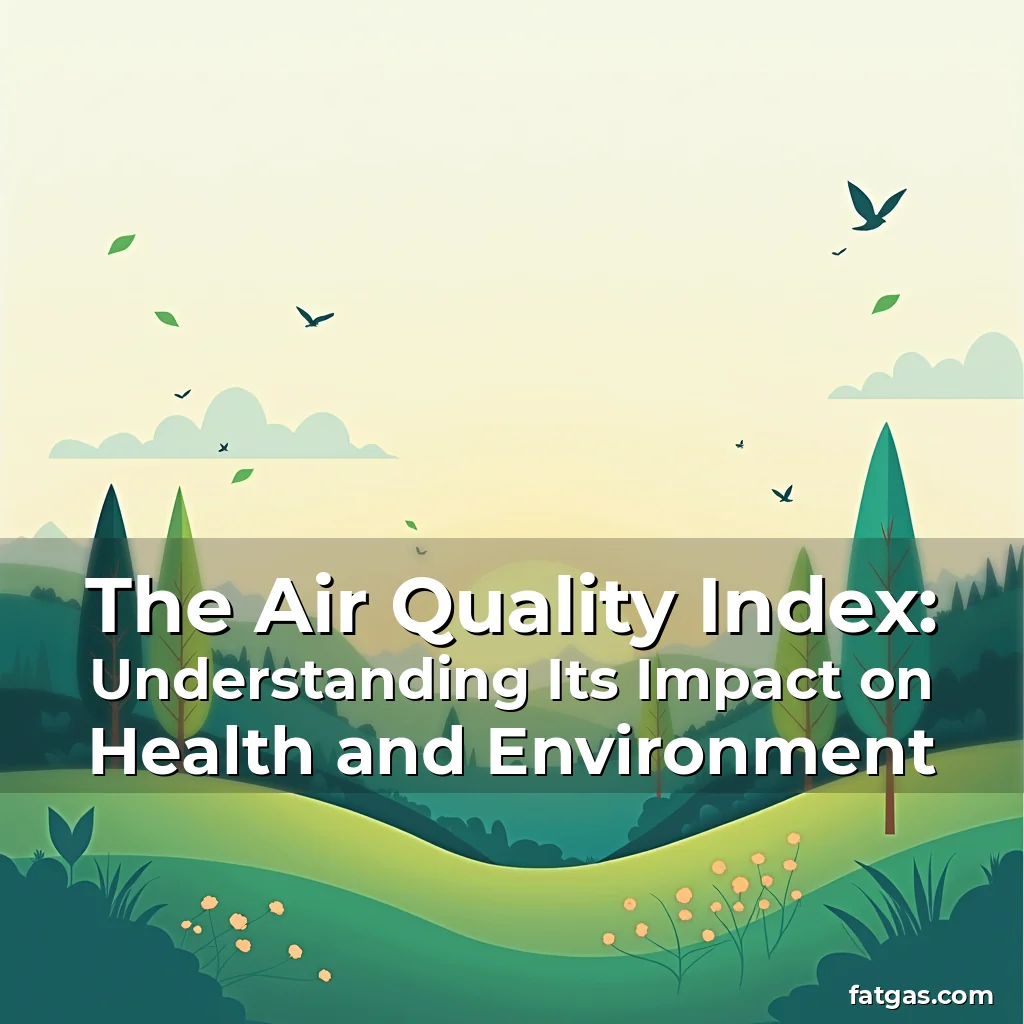
The Air Quality Index: Understanding Its Impact on Health and Environment
The Air Quality Index (AQI) is a vital tool that measures the level of pollutants present in the atmosphere, providing critical information about the health risks associated with outdoor air pollution. As environmental awareness grows, understanding the AQI has become increasingly important for individuals seeking to protect their well-being.
This article explores how the AQI works, its significance in public health, and practical steps you can take to monitor and mitigate the effects of poor air quality in your daily life.
What Is the Air Quality Index?
The Air Quality Index (AQI) is a numerical scale used by government agencies worldwide to communicate the current state of air pollution levels. It simplifies complex data into an easy-to-understand format, allowing people to make informed decisions about their activities based on real-time conditions.
AQI values typically range from 0 to 500, divided into six categories indicating varying degrees of health concern. These categories help determine whether it’s safe to be outdoors without protective measures such as masks or limiting physical exertion during high-pollution days.
- Good: An AQI below 51 means air quality poses little to no risk; however, sensitive groups might still experience minor issues under certain circumstances.
- Moderate: Ranging between 51–100, moderate AQI suggests some pollutants could pose a moderate health concern for a small number of vulnerable populations like those with asthma.
Poor: Values from 101–150 indicate unhealthy air quality for everyone but particularly harmful for children, elderly adults, and anyone suffering from respiratory diseases.
Hazardous: When readings exceed 301, immediate action must be taken since exposure becomes extremely dangerous even for healthy individuals who are active outdoors.
How Does the AQI Work?
The calculation behind each AQI value involves measuring concentrations of several key pollutants including particulate matter PM2.5 & PM10, ground-level ozone O₃, nitrogen dioxide NO₂, sulfur dioxide SO₂, and carbon monoxide CO.
Each pollutant contributes differently depending upon location type—urban areas may have higher ozone levels due to vehicle emissions while industrial zones often report elevated sulfur dioxide counts because of nearby factories.
Data collection occurs through networks of monitoring stations strategically placed across cities and rural regions alike ensuring accurate representation of local air conditions at any given moment.
These measurements then get converted using standardized formulas developed by regulatory bodies which factor-in both concentration thresholds and potential health impacts resulting from prolonged exposures over time.
Significance of the AQI in Public Health
The role played by AQI extends beyond mere numbers—it serves as early warning system against potential health threats caused by deteriorating atmospheric conditions. This enables authorities to issue timely advisories regarding restricted outdoor activity periods especially beneficial when dealing with seasonal changes affecting pollution patterns significantly.
Health professionals use these indices regularly not only within clinical settings but also during community outreach programs aimed towards educating residents about personal precautions they need adopt whenever encountering unfavorable air quality scenarios.
Impact on Vulnerable Populations
Vulnerable groups such as asthmatics, seniors above sixty-five years old, young children under twelve months experiencing developmental stages require special attention when interpreting AQI results accurately. For instance, increased instances of wheezing episodes among infants correlate strongly with spikes observed in fine particle count metrics.
Studies conducted globally show correlation rates exceeding seventy percent between peak pollen seasons combined with elevated PM2.5 levels leading to heightened emergency room visits related primarily to allergic rhinitis symptoms exacerbated further by irritated nasal passages caused by airborne irritants.
Daily Life Implications Based On AQI Levels
Knowing your area’s AQI allows proactive management strategies tailored specifically toward maintaining good health regardless of external factors influencing air composition. People living near busy intersections benefit immensely from checking forecasts before deciding whether going out jogging would expose them unnecessarily high amounts fine dust particles known scientifically referred PPM.
Parents planning weekend picnics now consider checking regional reports online first thing morning so they know what kind safety gear necessary bring along kids especially if expecting high UV radiation coupled extreme smog visibility restrictions typical urban centers facing traffic congestion problems persistently.
In workplaces situated close manufacturing plants where chemical fumes frequently escape uncontrolled emission points employees receive regular updates concerning indoor ventilation systems effectiveness thus preventing occupational lung disease development long term basis.
Technology Integration In Monitoring AQI Trends
Modern advancements allow consumers access up-to-date AQI figures via mobile applications offering personalized alerts customized according individual preferences lifestyles habits monitored locations visited frequently throughout week.
Smart devices equipped sensors capable detecting various contaminants automatically transmit collected samples cloud platforms analyze instantly generate comprehensive dashboards visualizing trends detected across different geographical coordinates simultaneously.
Such innovations empower citizens actively participate safeguarding environments surrounding themselves contributing valuable dataset researchers aiming develop better predictive models future climate change mitigation efforts global scale.
Improving Local Air Quality Through Community Efforts
Cities implementing green initiatives demonstrate tangible improvements overall air cleanliness measured consistently improved AQI scores following implementation policies promoting cleaner transportation options renewable energy sources planting native vegetation absorbing excess carbon dioxide naturally.
Residents supporting local clean-air campaigns contribute indirectly improving communal wellbeing simply choosing eco-friendly products reducing plastic waste recycling materials correctly disposing hazardous chemicals properly sealing containers storing flammable substances securely away reach curious pets domestic animals alike.
Educational institutions incorporating lessons teaching students importance preserving natural resources equipping next generation leaders committed addressing challenges posed rapidly changing environmental landscapes effectively.
Global Perspectives And Challenges In Managing Air Pollution
Nations struggle balancing economic growth demands against pressing concerns relating human sustainability ecosystems integrity. Developing countries face unique hurdles requiring innovative solutions considering limited infrastructure funding available compared wealthier counterparts already established robust frameworks managing similar issues decades ago.
International cooperation remains essential tackling transboundary pollution events occurring frequently regions sharing common borders affected equally severe consequences regardless national boundaries separating them physically geographically speaking.
Climate agreements signed multilateral organizations serve foundation building consensus amongst stakeholders involved determining priorities allocating financial assistance technical expertise required executing effective interventions locally globally.
Future Outlooks For Enhancing Air Quality Indices Accuracy
Ongoing research seeks refine existing methodologies employed calculating AQI values enhance reliability precision predictions made utilizing latest technological breakthroughs artificial intelligence machine learning algorithms analyzing vast volumes historical weather pattern datasets identifying recurring anomalies forecast accordingly.
Collaboration between scientists engineers policymakers crucial shaping regulations governing permissible pollutant limits ensuring alignment scientific evidence generated field studies laboratory experiments performed rigorously controlled conditions replicable elsewhere world wide.
Public engagement plays pivotal role success upcoming projects focused enhancing transparency accessibility information shared communities empowering individuals make educated choices protecting own health welfare environment collectively.
Conclusion
The Air Quality Index provides invaluable insight helping navigate everyday life safely amidst ever-changing environmental conditions. By staying informed regarding current status surrounding us we equip ourselves tools necessary respond appropriately minimize negative repercussions arising exposure contaminated atmospheres.
Actively participating efforts aimed improvement local regional national scales ensures brighter healthier tomorrow filled clearer skies fresher breath easier breathing experiences enjoyed freely without fear harm inflicted invisible yet potent forces lurking silently waiting opportunity strike unsuspecting victims unaware dangers concealed beneath seemingly harmless clouds drifting overhead.