The Impact of the Energiewende on Germany’s Energy Landscape
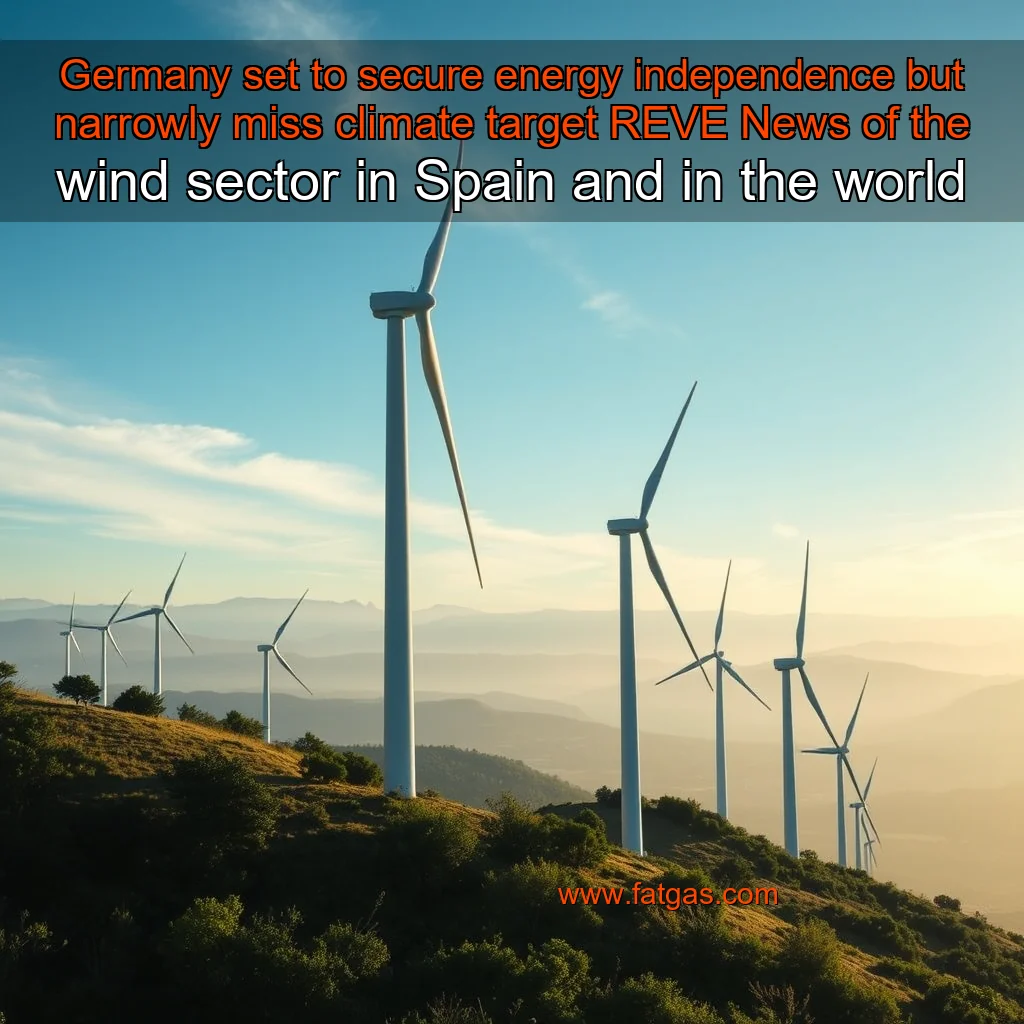
The Energiewende, or Energy Transition, is a comprehensive plan to reduce Germany’s reliance on fossil fuels and transition to a low-carbon economy. Launched in 2010, this ambitious initiative aims to decrease greenhouse gas emissions and mitigate climate change.
The ETO report, produced by the Federal Ministry of Economic Affairs and Energy (BMWE), examines the progress of Germany’s energy transition. The report highlights both the successes and shortcomings of the country’s efforts to reduce greenhouse gas emissions. Key findings include the importance of cross-border energy exchange with neighboring countries to ensure a stable energy supply, the need for more efficient energy storage solutions, and the crucial role of renewable energy in the transition to a low-carbon economy. Germany’s energy transition is a complex and ambitious project that aims to significantly reduce the country’s greenhouse gas emissions and transition to a low-carbon economy. The ETO report emphasizes the importance of a stable energy supply for the success of the energy transition.
The German government has set ambitious targets for renewable energy. The country aims to reduce greenhouse gas emissions by 80% by 2050. To achieve this, the government has implemented policies to promote the use of renewable energy sources, such as solar and wind power. The German government has also set a target to phase out coal-fired power plants by 2030. This is part of a broader effort to reduce the country’s reliance on fossil fuels and transition to a low-carbon economy. The transition to a low-carbon economy is expected to create new job opportunities in the renewable energy sector. The sector is expected to grow significantly, with the number of jobs in the sector expected to increase by 50% by 2030. The German government has also implemented policies to support the development of new technologies, such as battery storage and smart grids. These policies aim to reduce the cost of renewable energy and make it more competitive with fossil fuels. The transition to a low-carbon economy is expected to have a positive impact on the environment. The reduction in greenhouse gas emissions is expected to slow down climate change. The German government has also set a target to increase the share of renewable energy in the energy mix to 65% by 2030.
While this may seem like a significant reduction, it is actually a modest decrease compared to the 99% reduction needed to meet the 2045 target.
The National Target: A 95% Reduction by 2050
Germany’s national target is to achieve a net zero energy economy by 2045. This means that the country aims to produce as much energy as it consumes, with any surplus being used to power other sectors or exported to other countries.
This massive investment will be driven by the European Union’s Green Deal and Germany’s Energiewende (Energy Transition) policy.
The European Union’s Green Deal
The European Union’s Green Deal is a comprehensive plan to make Europe the first climate-neutral continent by 2050. The deal aims to reduce greenhouse gas emissions by 55% by 2030 and achieve net-zero emissions by 2050.
This is a significant achievement, especially considering the country’s industrial heritage and the fact that it has been a major energy consumer for decades.
The Path to a Low-Carbon Economy
A Shift in Focus
The German government has set ambitious targets to reduce greenhouse gas emissions and transition to a low-carbon economy. The country aims to become carbon neutral by 2050, which is a challenging goal considering its industrial base and high energy consumption. However, the government is committed to making significant progress in the coming decades.
Key Objectives
The Role of Energy Efficiency
Energy efficiency plays a crucial role in reducing greenhouse gas emissions and achieving the country’s climate goals. Improving energy efficiency can be achieved through various measures, including: