Fiji’s Cyclone Response and the Power of Insurance to Mitigate Climate-Related Disasters.
The Climate Emergency and Cyclone Impact
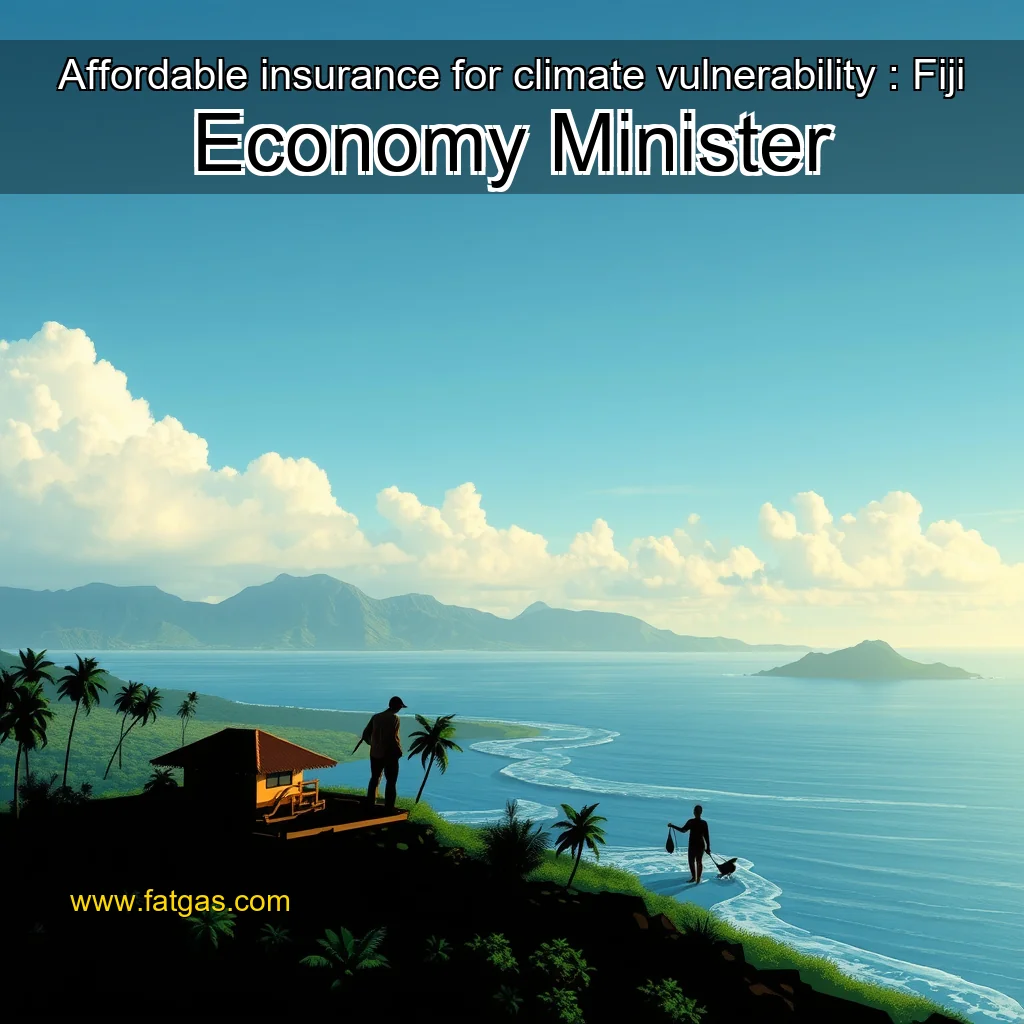
The Pacific island nation of Fiji has been severely affected by the recent cyclone, leaving thousands of people without access to basic necessities like food, water, and shelter. The cyclone has also caused significant damage to infrastructure, including homes, roads, and buildings. The government has announced a plan to provide financial assistance to those affected, with the aim of supporting them in their recovery efforts.
The Role of Climate and Disaster Risk Insurance
The government’s decision to introduce climate and disaster risk insurance is seen as a proactive measure to mitigate the impact of climate-related disasters. This type of insurance provides financial protection to individuals and households affected by natural disasters, such as cyclones, floods, and droughts. By providing access to this type of insurance, the government aims to reduce the financial burden on those affected and support their recovery efforts. Key features of the climate and disaster risk insurance program: + Provides financial assistance up to $1,000 per person + Covers a range of natural disasters, including cyclones, floods, and droughts + Available to low-income Fijians for $2 per week + Supports recovery efforts and reduces financial burden on those affected
The Benefits of Climate and Disaster Risk Insurance
The introduction of climate and disaster risk insurance is expected to have several benefits for the people of Fiji. Some of the key benefits include:
The Need for Disaster Insurance
Disaster insurance is a vital component in mitigating the financial impact of natural disasters. In Fiji, the country is prone to various types of disasters, including cyclones, floods, and landslides. The financial burden of these disasters can be overwhelming for individuals and families, leading to significant economic hardship and even displacement. Key statistics:
- • Fiji is one of the most disaster-prone countries in the Pacific, with an average of 5 natural disasters per year.
Parametric Microinsurance Product Offers Improved Affordability and Market Viability in Developing Countries.
The Parametric Microinsurance Product
The Parametric Microinsurance Product is a type of microinsurance that provides financial protection to individuals and households in developing countries. This innovative product is designed to offer a range of benefits, including protection against natural disasters, health risks, and other unforeseen events.
Key Features of the Parametric Microinsurance Product
- No Value Added Tax (VA)T: The Parametric Microinsurance Product will not be subject to Value Added Tax (VA)T, which will help improve affordability and market viability. Parametric Approach: The product uses a parametric approach, which means that the benefits are triggered by specific events, such as floods or droughts, rather than individual claims. Targeted Benefits: The product provides targeted benefits, such as cash transfers or vouchers, to individuals and households affected by specific events. * Simplified Underwriting: The product uses a simplified underwriting process, which reduces the administrative burden and costs associated with traditional microinsurance products. ### Benefits of the Parametric Microinsurance Product**
- Improved Affordability: The absence of Value Added Tax (VA)T and simplified underwriting process make the product more affordable for consumers. Increased Market Viability: The parametric approach and targeted benefits make the product more viable in the market, as it provides a clear and predictable benefit to consumers.
Benefits of the Parametric Microinsurance Product
The Parametric Microinsurance Product offers several benefits, including: