Understanding the Impact of Climate Change on Mental Health
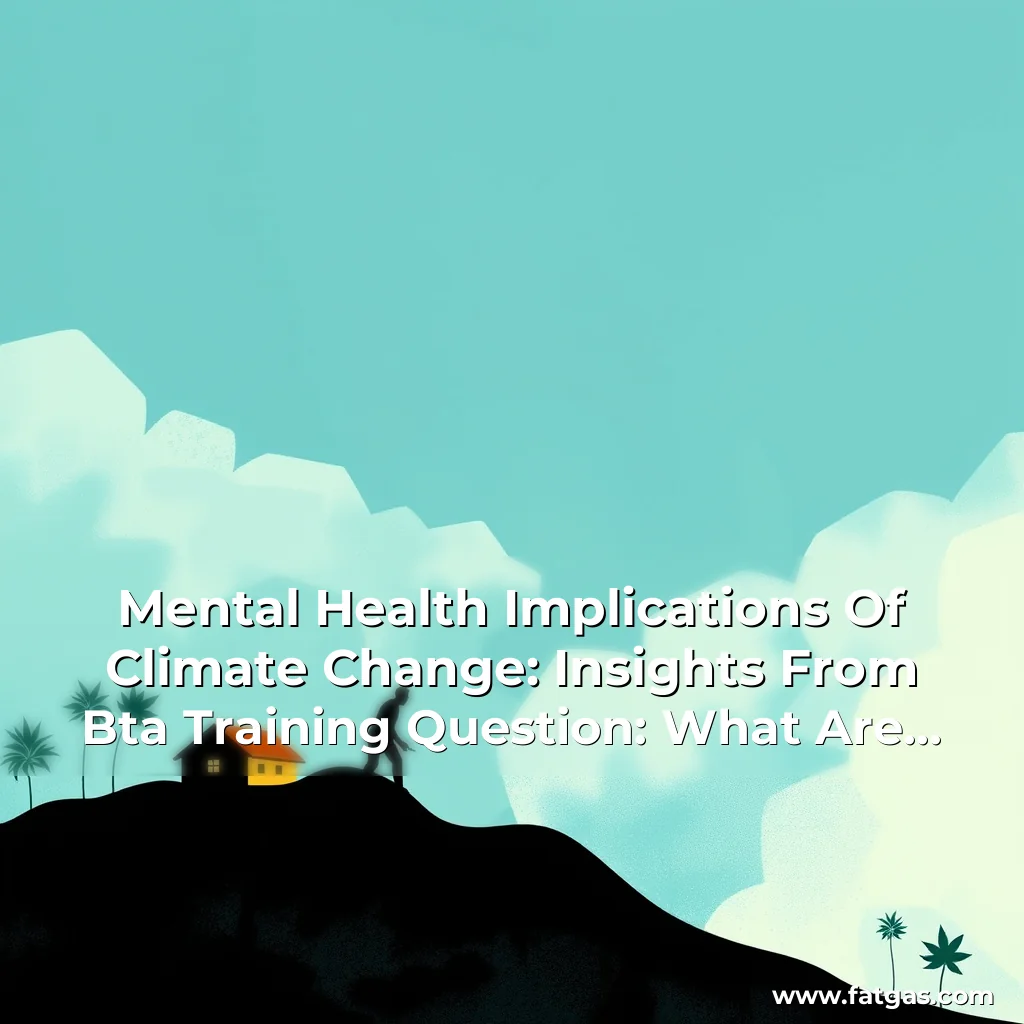
Climate change is a pressing global issue that affects not only the environment but also human well-being. The Philippines, being one of the countries most vulnerable to climate-related disasters, is no exception. Typhoons, floods, and droughts continue to threaten 60 percent of the country’s land and 74 percent of its population. These extreme weather events can have devastating effects on individuals, communities, and the economy as a whole. The psychological impact of climate change can be severe and long-lasting.
The Importance of Community Resilience in the Face of Climate Change
Climate change poses a significant threat to communities worldwide, and the Bangsamoro Autonomous Region is no exception. Rising temperatures, changing precipitation patterns, and increased frequency of extreme weather events can have devastating effects on local ecosystems, economies, and human populations.
Understanding the Role of Community Resilience
Community resilience refers to the ability of a community to withstand and recover from adversity, including climate-related shocks. In the context of the Bangsamoro Autonomous Region, community resilience is critical for ensuring the well-being and livelihoods of its residents.
Key Components of Community Resilience
The Role of Collaborative Approaches
A collaborative approach across sectors is essential for building community resilience in the Bangsamoro Autonomous Region.