Challenges Faced by SMEs
SMEs in India face numerous challenges, including financial constraints, limited access to technology, and inadequate capacity-building. These constraints hinder their ability to adopt new technologies and implement sustainable practices, ultimately affecting their decarbonisation efforts. • Limited access to technology and funding*
EU Support and Global Cooperation
The study emphasizes the need for EU support to help SMEs overcome these challenges. This support can take the form of technology transfers, capacity-building, and other forms of assistance. By providing such support, the EU can help SMEs in India to adopt new technologies and implement sustainable practices, ultimately contributing to fair climate policies. • Technology transfers and capacity-building*
Trade Complexities and Global Cooperation
The study also highlights the importance of global cooperation in addressing the challenges faced by SMEs. Trade complexities and unequal decarbonisation can have far-reaching consequences, including economic losses and environmental degradation. By working together, countries can develop more effective climate policies and ensure fair competition.
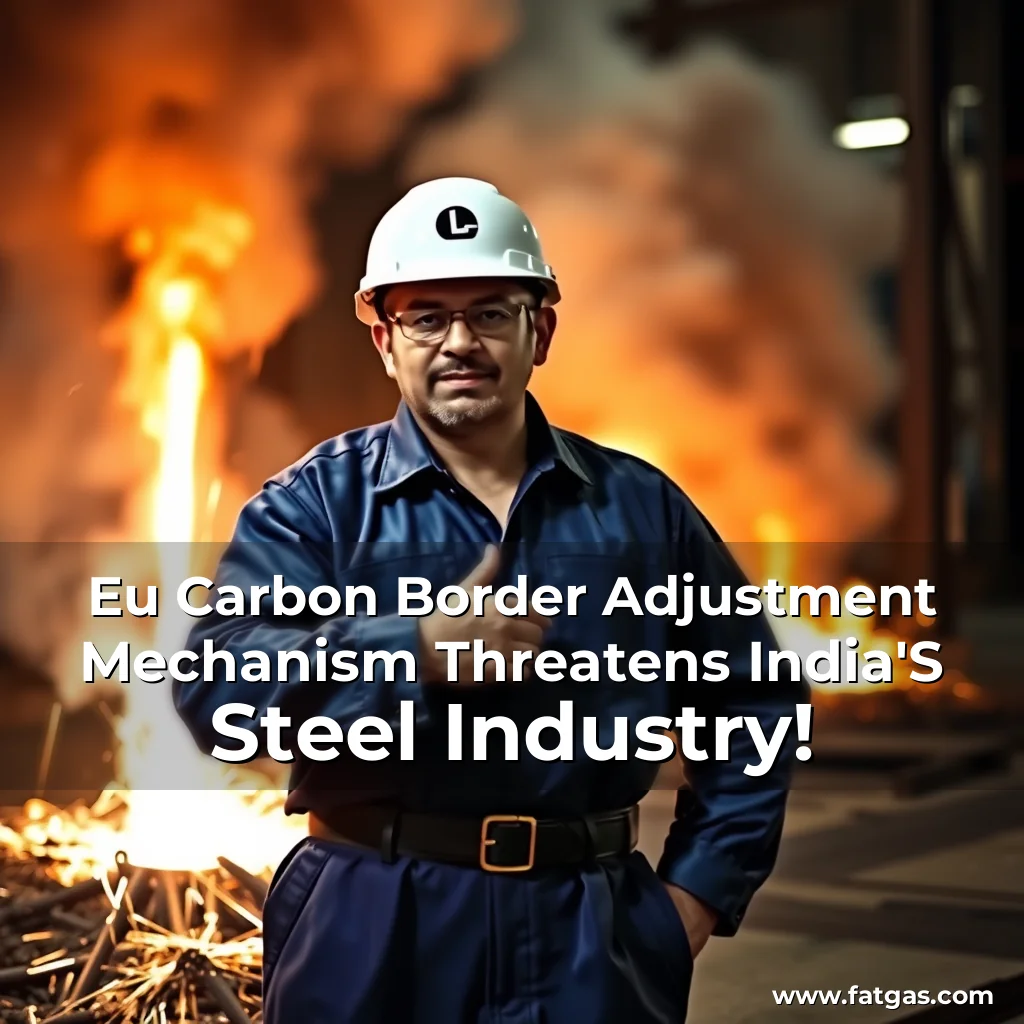
The Impact of Carbon Border Adjustment Mechanism (CBAM) on Global Trade
The Carbon Border Adjustment Mechanism (CBAM) is a proposed policy aimed at reducing greenhouse gas emissions by imposing a tax on imported goods that do not meet certain climate-related standards.
The implications of the study are far-reaching, with potential impacts on the global economy, trade policies, and the environment. The study’s key findings are as follows:
Key Findings
The findings of the study have significant implications for the ongoing India-EU negotiations on the CBAM within the broader Free Trade Agreement discussions. • The study suggests that India should consider its position in the negotiations carefully, taking into account the potential impacts on its economy and trade relationships. • The EU’s CBAM is likely to be a key issue in the negotiations, with India seeking to ensure that its own climate policies are not unfairly disadvantaged.