The consequences of this failure to meet the agreement’s goals are far-reaching and devastating.
The Devastating Consequences of Failing to Meet the Paris Agreement
The consequences of failing to meet the Paris Agreement’s goals are multifaceted and far-reaching. Rising temperatures have led to more frequent and severe heatwaves, droughts, and storms. These extreme weather events have devastating effects on ecosystems, human health, and the economy. Ecosystem Disruption: Rising temperatures are altering ecosystems, leading to the loss of biodiversity, and disrupting the delicate balance of nature. This has severe consequences for the health of our planet, including the extinction of many species. Human Health Impacts: Heatwaves, droughts, and storms are causing unprecedented health problems. Heat-related illnesses, respiratory issues, and mental health concerns are on the rise. The World Health Organization (WHO) estimates that climate change is responsible for 150,000 deaths annually. * Economic Consequences: The economic impacts of climate change are significant.
Rising temperatures are reshaping the global weather landscape, leading to more frequent and intense weather extremes.
The Impact of Rising Temperatures on Global Weather Patterns
The effects of rising temperatures on global weather patterns are multifaceted and far-reaching. Rising temperatures are altering the jet stream, leading to more frequent and persistent weather extremes such as heatwaves, droughts, and heavy rainfall events. Heatwaves: Heatwaves are becoming more common and prolonged, with temperatures often reaching record highs. This is particularly concerning in urban areas, where the urban heat island effect can exacerbate the impact of heatwaves. Droughts: Droughts are becoming more frequent and severe, affecting agricultural productivity and water resources. This can have significant economic and social impacts, particularly in regions where agriculture is a major industry. * Heavy rainfall events: Heavy rainfall events are becoming more intense and frequent, leading to flooding and landslides. This can have devastating impacts on communities, particularly in areas with inadequate infrastructure.**
The Role of Climate Change in Shaping Global Weather Patterns
Climate change is playing a significant role in shaping global weather patterns.
The Implications of 1.5°C Global Warming Threshold
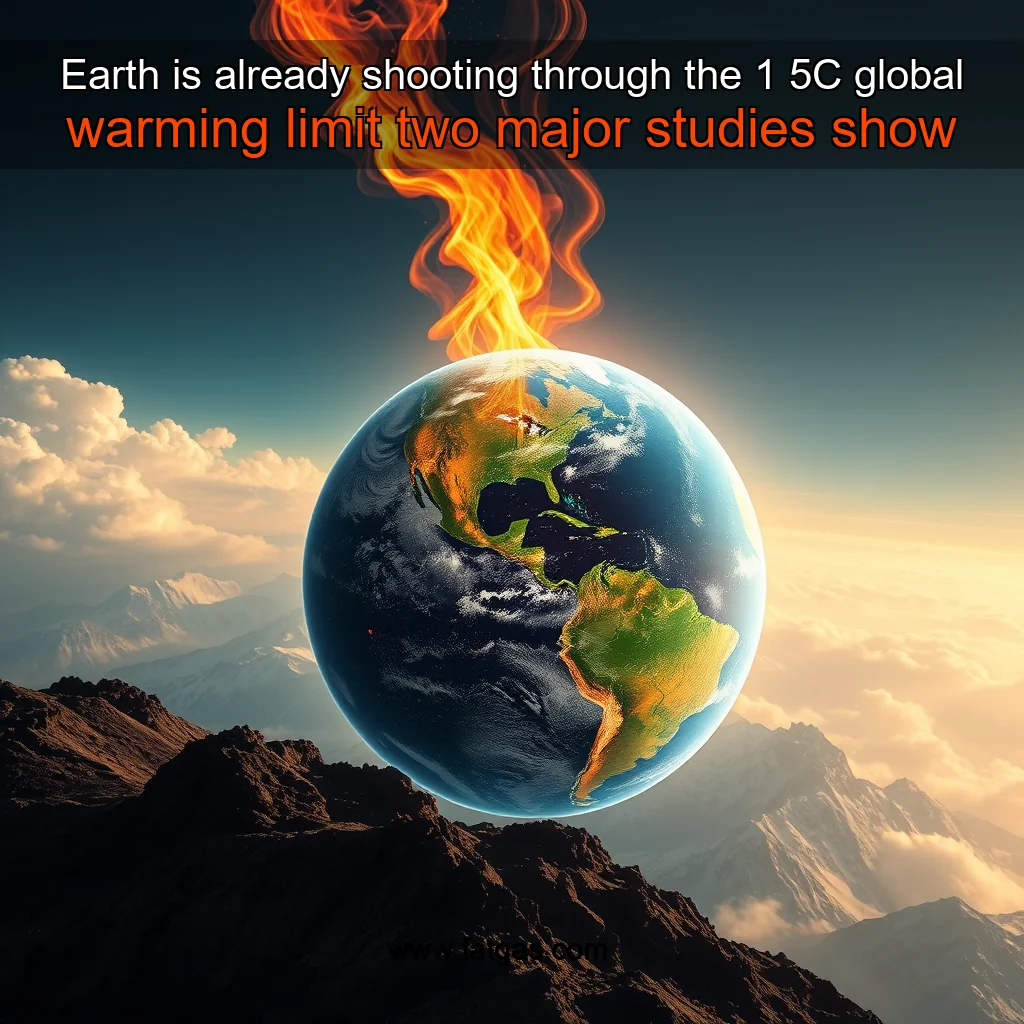
The concept of a 1.5°C global warming threshold has been widely discussed in the scientific community. This threshold is considered a critical point beyond which the effects of climate change will become irreversible and catastrophic.
The Science Behind the Threshold
The 1.5°C threshold is based on the idea that if global temperatures rise above this level, the consequences will be severe and long-lasting. The Intergovernmental Panel on Climate Change (IPCC) has identified this threshold as a critical point beyond which the effects of climate change will become irreversible. The IPCC has also identified several key indicators that suggest the Earth is already approaching this threshold, including:
- Rising sea levels
- Increased frequency and severity of extreme weather events
- Changes in precipitation patterns
- Loss of biodiversity
The Consequences of Exceeding the Threshold
Exceeding the 1.5°C threshold will have severe and far-reaching consequences for the environment, human health, and the economy. Some of the potential consequences include:
The Importance of Reducing Emissions
Reducing greenhouse gas emissions is critical to avoiding the worst impacts of climate change.
The Climate Threshold
The concept of a climate threshold is a crucial aspect of climate science. It refers to the point at which the Earth’s climate system reaches a critical point, beyond which it is unlikely to return to its previous state. In the context of global warming, the 1.5°C threshold is a critical benchmark that marks the point at which the consequences of climate change become irreversible.
What is the 1.5°C Threshold? The 1.5°C threshold is a specific temperature level that is considered to be the point of no return for the Earth’s climate system. It is the level at which the effects of global warming become irreversible, and the consequences of climate change become catastrophic. The threshold is based on the idea that if the Earth’s temperature rises above 1.5°C, the consequences of climate change will be too severe to reverse. The 1.5°C threshold is not a hard and fast rule, but rather a guideline that scientists use to assess the risks of climate change. The threshold is also influenced by the level of greenhouse gas emissions, which are the primary cause of global warming. ## The Research Findings*
A recent study published in a leading scientific journal found that 12 consecutive months of temperatures above the 1.5°C threshold is a strong indicator that the threshold will be reached over the long term.
The Current State of Carbon Emissions
The world is facing an unprecedented crisis. The current rate of carbon dioxide emissions is unsustainable and poses a significant threat to the planet’s future. To put this into perspective, consider the following statistics:
Climate change is a human rights issue, with severe impacts on ecosystems, economies, and human societies.
The consequences of climate change are far-reaching and devastating, with severe impacts on ecosystems, economies, and human societies.
The Devastating Consequences of Climate Change
Climate change is not just an environmental issue; it’s a human rights issue. Rising temperatures are causing more frequent and severe heatwaves, droughts, and storms, which are disproportionately affecting vulnerable populations, including the poor, the elderly, and those living in remote or coastal areas. Heatwaves and Mortality: Heatwaves are becoming more frequent and prolonged, leading to increased mortality rates, particularly among the elderly and those with pre-existing medical conditions. Water Scarcity: Changes in precipitation patterns and increased evaporation due to warmer temperatures are leading to droughts and water scarcity, affecting agriculture, industry, and human consumption. * Food Insecurity: Climate change is altering the distribution and productivity of crops, leading to food insecurity, malnutrition, and economic losses for farmers and communities.**
The Economic Impacts of Climate Change
Climate change is having a significant impact on the economy, from increased costs for healthcare and infrastructure to losses in productivity and economic growth. Economic Losses: Climate-related disasters, such as hurricanes, wildfires, and floods, are causing significant economic losses, from damage to infrastructure to losses in agriculture and tourism. Healthcare Costs: The increased frequency and severity of heatwaves, droughts, and storms are leading to increased healthcare costs, from emergency medical services to long-term care for those affected.
And, in some regions, the transition to clean energy is happening at an unprecedented pace.
The Rise of Renewable Energy
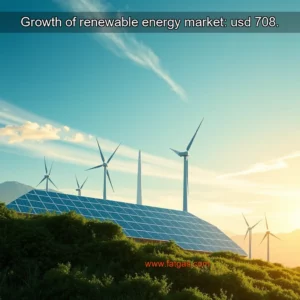
Renewable energy sources, such as solar and wind power, are becoming increasingly popular. In 2020, renewable energy accounted for 26% of global electricity generation. This represents a significant increase from 2010, when renewables accounted for just 21% of global electricity generation. Key statistics:
- 2020: 26% of global electricity generation
- 2010: 21% of global electricity generation
- 2020: 30% of global electricity generation in Europe
- 2020: 40% of global electricity generation in China
- 2020: 4% drop in global fossil fuel consumption
- 2020: 10% drop in global coal consumption
- 2020: 5% drop in global oil consumption
- The current rate of greenhouse gas emissions is unsustainable and poses a significant threat to the planet. The world’s population is projected to reach 7 billion by 2050, putting an even greater strain on the environment. The production and consumption of fossil fuels are major contributors to greenhouse gas emissions. ## The Consequences of Inaction*
- Rising sea levels and more frequent natural disasters
- Extreme weather events, such as heatwaves and droughts
- Loss of biodiversity and ecosystem disruption
- Negative impacts on human health and well-being
The Decline of Fossil Fuels
Fossil fuel use has been declining in many countries. In 2020, global fossil fuel consumption dropped by 3.4% compared to the previous year. This decline is largely driven by the growth of renewable energy and increasing energy efficiency. Key statistics:
The Transition to Clean Energy
In some regions, the transition to clean energy is happening at an unprecedented pace.
The window of opportunity is rapidly closing, and the consequences of inaction will be catastrophic.
The Urgent Need for Decarbonisation
The world is facing an unprecedented crisis. Climate change is one of the most pressing issues of our time, and the need for decarbonisation is more urgent than ever.
The Current State of Affairs
The Consequences of Inaction
The consequences of inaction will be severe and far-reaching. Some of the potential consequences include:
The Need for Urgent Action
We must not delay action.