Climate change is a pressing global issue that demands urgent action to mitigate its devastating consequences.
The Reality of Climate Change
Climate change is a pressing global issue that affects us all. It is characterized by the long-term warming of the planet due to the increasing levels of greenhouse gases in the atmosphere. The consequences of climate change are far-reaching and devastating, impacting not only the environment but also human health, economies, and societies.
The Impact on Rivers
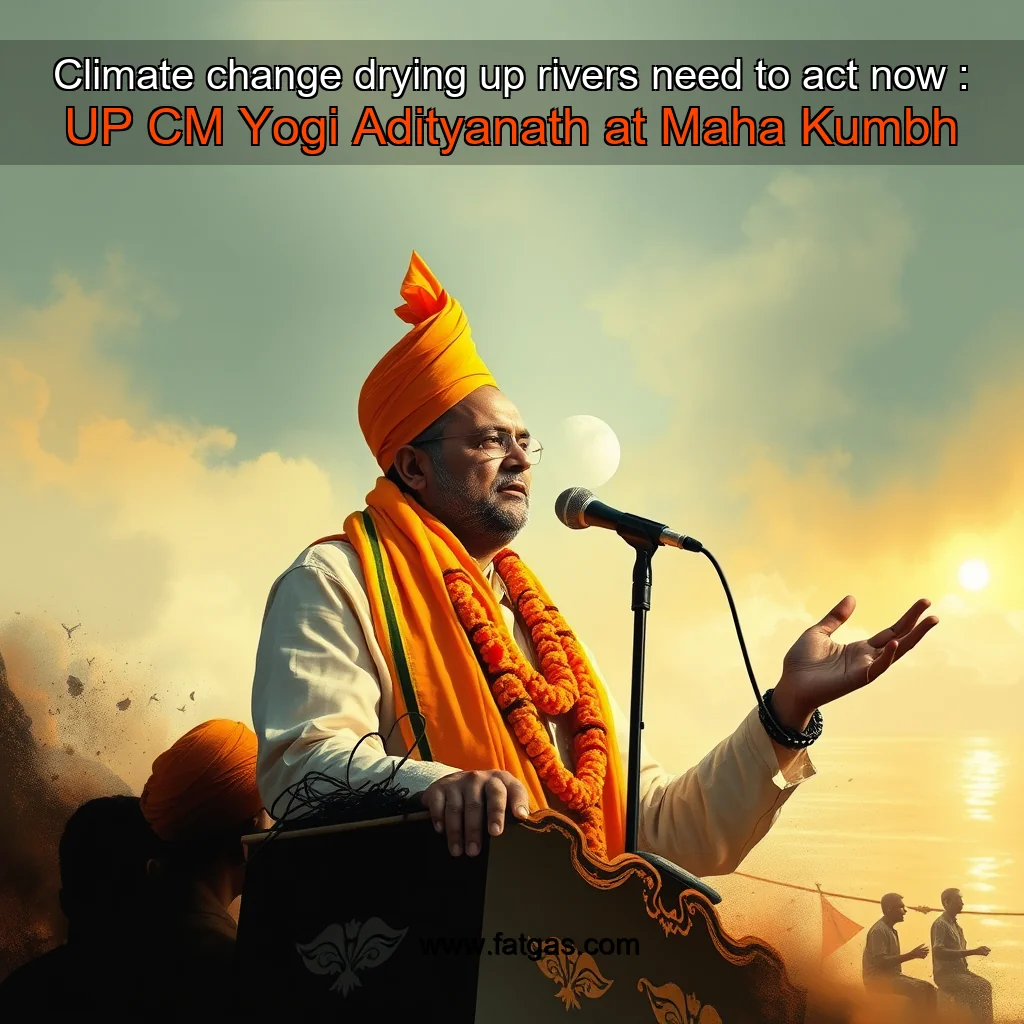
Yogi Adityanath, the Chief Minister of Uttar Pradesh, has highlighted the alarming situation of climate change affecting rivers. He stated that climate change is drying up rivers, causing widespread droughts and water scarcity. This is a stark reminder of the urgent need for action to mitigate the effects of climate change. Rising temperatures and changing precipitation patterns are altering the natural flow of rivers, leading to reduced water levels and increased evaporation. Droughts and water scarcity are becoming more frequent and severe, affecting agriculture, industry, and human consumption. The loss of river water can have devastating consequences, including the collapse of ecosystems, loss of biodiversity, and increased risk of water-borne diseases.
The Need for Urgent Action
Yogi Adityanath’s warning is a call to action for governments, corporations, and individuals to take immediate steps to address the root causes of climate change. This includes reducing greenhouse gas emissions, investing in renewable energy, and promoting sustainable land use practices. Transitioning to renewable energy sources, such as solar and wind power, can significantly reduce carbon emissions and mitigate the effects of climate change. Implementing sustainable land use practices, such as reforestation and agroforestry, can help sequester carbon dioxide and promote ecosystem services.
The UP government has also implemented various initiatives to promote sustainable development and reduce pollution.
The Importance of River Conservation
Rivers are the lifeblood of our planet, providing essential services such as water supply, irrigation, and transportation. However, the increasing trend of river encroachment and wildlife habitat destruction poses a significant threat to the health and well-being of both humans and wildlife. Rivers are not just natural resources, but also provide numerous ecosystem services, including:
- Water filtration and purification
- Habitat for diverse aquatic life
- Regulating water cycles and preventing floods
- Supporting agriculture and industry
- Loss of biodiversity and ecosystem disruption
- Decreased water quality and increased pollution
- Negative impacts on human health and livelihoods
The Role of Individuals in River Conservation
While governments and institutions play a crucial role in protecting rivers, individuals can also make a significant impact by adopting sustainable practices and behaviors.
The Significance of the Kumbh Mela
The Kumbh Mela is one of the largest and most sacred Hindu festivals in India, attracting millions of devotees from across the country and the world. It is a celebration of spiritual renewal, self-purification, and the triumph of good over evil.
The History of the Kumbh Mela
The Kumbh Mela has its roots in ancient Hindu mythology, dating back to the epic tale of the Ganges River. According to legend, the Ganges was created by the gods to quench the thirst of the goddess Ganga. The festival is said to commemorate the event when the gods brought the Ganges to the earth. The Kumbh Mela has been held in various locations across India, including Allahabad, Haridwar, Nashik, and Ujjain. The festival has a rich history, with records of its existence dating back to the 12th century.