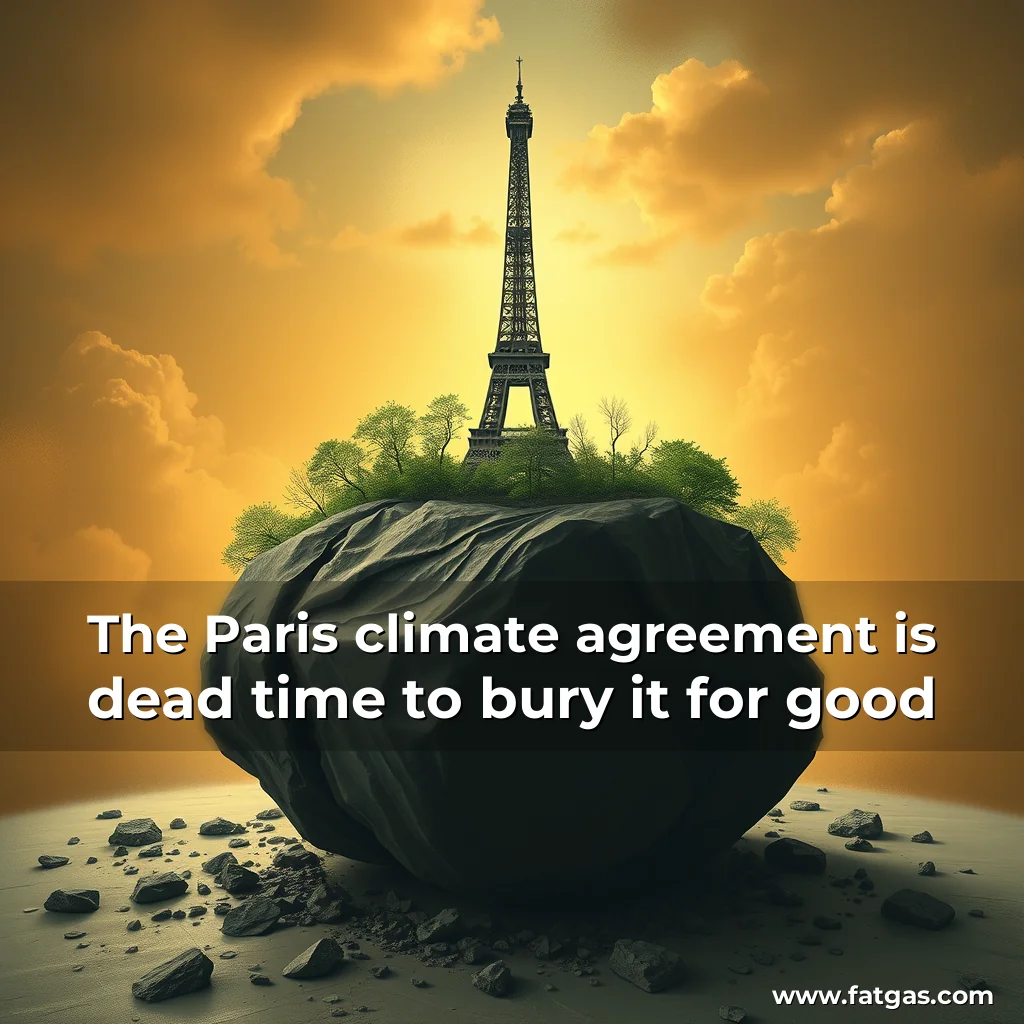
The media has portrayed this as a loss for the world, but what does it mean for the United States and the world?
The Impact of the Paris Agreement on the United States
The Paris Agreement has had a significant impact on the United States, both domestically and internationally. On the domestic front, the agreement has led to increased investment in clean energy and reduced greenhouse gas emissions.
The agreement’s framework was designed to allow countries to set their own targets, which would inevitably lead to a lack of accountability and enforcement. The architects of the Paris agreement were aware of the limitations of the agreement, but they chose to proceed with it anyway. They believed that the agreement would still have a positive impact, even if it did not meet its full potential. The agreement’s framework was designed to encourage countries to make progress towards reducing greenhouse gas emissions, but it was not designed to enforce compliance. The agreement’s framework was based on a voluntary approach, which meant that countries were not required to take any specific actions to reduce their emissions. Instead, countries were encouraged to make progress towards reducing their emissions through a series of voluntary commitments. These commitments were not binding, and countries were free to change their targets at any time. The agreement’s framework also included a mechanism for countries to report on their progress, but this mechanism was not designed to hold countries accountable for their actions.
The Global Shift in Energy Policy
The recent surge in energy production and importation plans by several major nations has sparked a heated debate about the role of fossil fuels in the global energy mix. At the forefront of this shift are Argentina, Indonesia, South Africa, and South Korea, which have announced plans to significantly increase their production of coal, natural gas, and oil.
The Role of the United States
The United States is also playing a significant role in this shift, with several major oil and gas companies announcing plans to increase production and export capacity. This has led to speculation that the US may become a major supplier of fossil fuels to countries like Argentina, Indonesia, and South Africa.
The State of Global Carbon Emissions
The world is facing an unprecedented crisis, with carbon dioxide levels reaching a record high in 2020. The consequences of this crisis are far-reaching, affecting not only the environment but also human health and the economy.
The Paris climate agreement, signed in 2015, was a landmark international accord aimed at mitigating climate change. The agreement, which was negotiated by over 190 countries, set a framework for reducing greenhouse gas emissions and promoting sustainable development.