The Need for Capacity Building
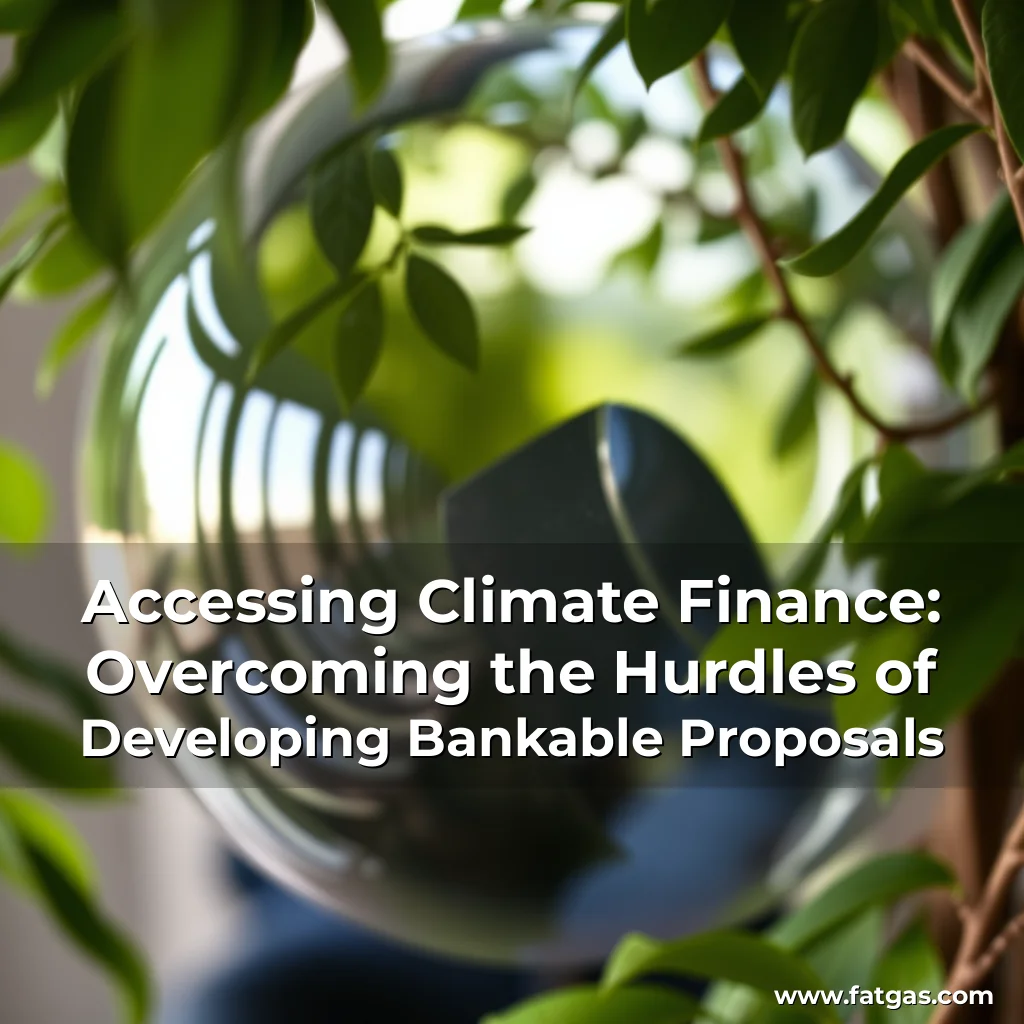
In order to access climate finance, developing nations must have the capacity to develop strong, well-structured project proposals that meet international funding requirements. However, this is often hindered by several challenges. Crafting a successful climate finance proposal requires more than just a good idea – it involves demonstrating a clear climate rationale, articulating a cogent theory of change, and aligning with national and global climate priorities that respond to different requirements from climate funds. These challenges, such as limited technical knowledge, difficulty in structuring financial mechanisms, and lack of access to necessary data, often hinder the proposal development process for most governments and institutions. Capacity-building initiatives play a crucial role in overcoming these barriers, providing the necessary skills and knowledge to overcome these hurdles.
Capacity-Building Initiatives
CCFAH’s ‘write-shops’ and targeted technical trainings are designed to equip policymakers, researchers, and project developers with the technical skills needed to prepare strong climate finance proposals. These initiatives focus on practical exercises that take a concept from an initial idea to a structured proposal ready for submission. These initiatives not only equip participants with technical skills but also foster collaboration among stakeholders, ensuring that proposals are developed with comprehensive input from multiple sectors. A key strength of CCFAH’s approach is the emphasis on hands-on learning.
Practical Learning through Hands-on Training
A recent ‘write-shop’ in Sri Lanka brought together over 30 key representatives from the project development working group (PDWG) that has been set up by the National Designated Authority (NDA) to drive proposal development for climate financing. The diverse mix of stakeholders allowed for rich discussions on cross-sector collaboration and knowledge-sharing, fostering a more cohesive approach to climate-project formulation in Sri Lanka. The event provided practical solutions by guiding participants through essential elements of the concept note of the world’s largest climate fund – the Green Climate Fund (GCF); emphasising methodologies and approaches to crafting a fundable project proposal integrating critical factors such as gender and social inclusion.
Impact and Insights from the Field
The impact of CCFAH’s write-shops is best reflected in participant experiences. A participant from the Sri Lanka Department of Forest Conservation highlighted how these trainings enhance institutional knowledge while fostering collaboration.
“When preparing concept notes, we need a considerable amount of data and expertise, which cannot be sourced in isolation. These workshops help us form networks, allowing us to strengthen our proposals through shared resources and knowledge.”
Similarly, another participant emphasised the value of a hands-on approach.
“The training was highly practical, helping us structure proposals in ways that meet funder expectations. Working with representatives from different ministries also gave me insight into bottlenecks and coordination challenges.”
Way Forward
As CCFAH celebrates its tenth anniversary this year, it continues to be committed to supporting its partner countries in navigating the complexities of climate finance. As the demand for funding grows and the landscape for climate finance changes and becomes more challenging, especially post-COP29, sustained investment in capacity-building will be essential to bridge knowledge gaps and transform climate ambitions into actionable projects that drive sustainable development.