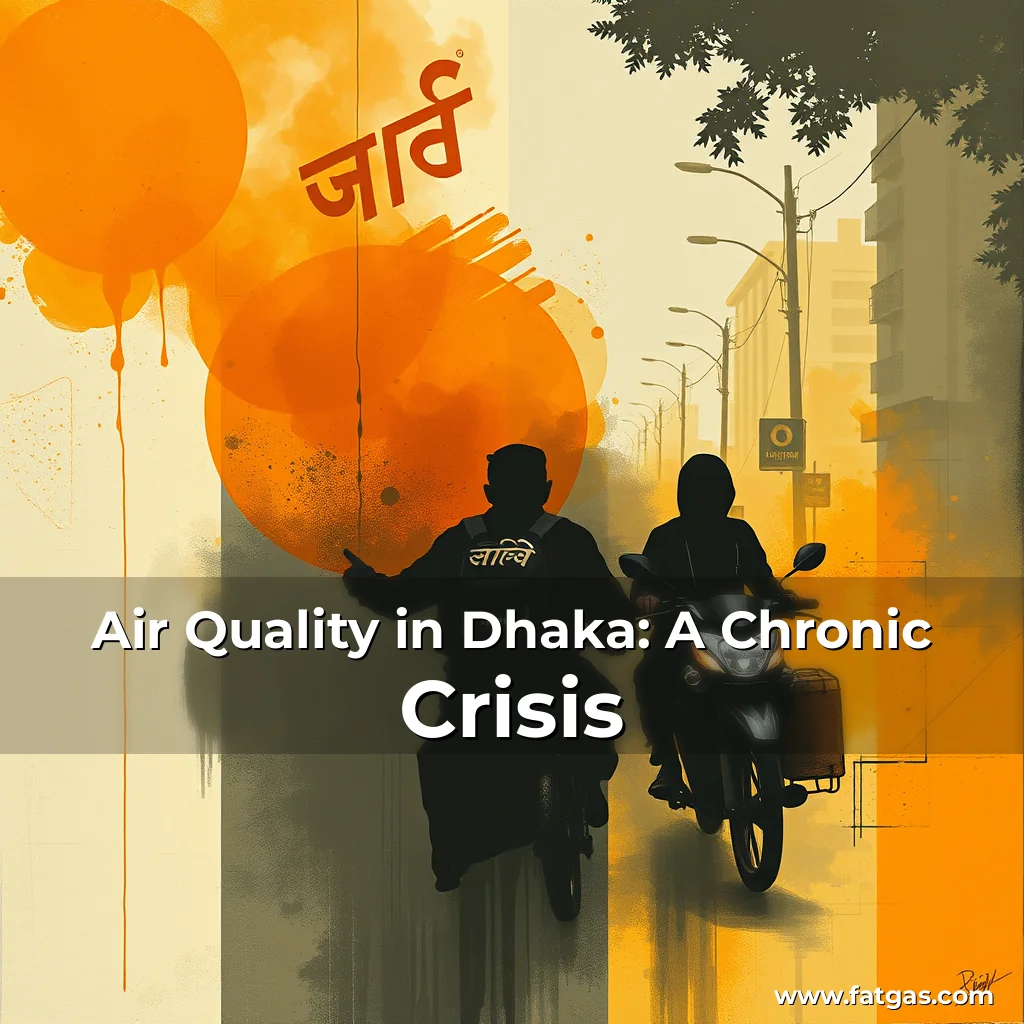
Dhaka residents have been breathing in polluted air for an alarming 98.9 percent of the time over the past nine years, according to a new study by the Centre for Atmospheric Pollution Studies (CAPS). The study found that the city’s air quality has been severely degraded, with residents experiencing poor air quality for a staggering 99.1 percent of the time.
According to the study, there were only 31 days in the past nine years when Dhaka’s air quality was considered good, equivalent to just 1 percent of the time. This is a stark reminder of the city’s chronic air pollution problem, which has been a major concern for residents and environmentalists alike.
Causes of the Problem
The causes of the chronic air pollution problem in Dhaka are multifaceted and complex. Some of the main contributors to the problem include:
- Industrial activities and emissions from industries such as textiles, garments, and construction.
- Vehicle emissions, including those from buses, trucks, and cars.
- Agricultural activities, including burning of crop residue and manure.
- Residential emissions, including those from cooking and heating.
Effects on Residents
The effects of chronic air pollution on residents are severe and far-reaching. Some of the health impacts include:
- Respiratory problems, including asthma and chronic obstructive pulmonary disease (COPD).
- Cancer and other types of cancer.
- Cardiovascular disease and stroke.
- Neurological problems, including dementia and cognitive impairment.
Proposals for Change
The CAPS study highlights the need for urgent action to address the chronic air pollution problem in Dhaka. Eight proposals for controlling air pollution were presented at the press conference:
- Phasing out unfit and expired vehicles that pollute the air, and increasing the use of electric and hybrid vehicles.
- Taking effective measures to boost the production and use of block bricks as an alternative to fired bricks that add to air pollution.
- Making the practice of burning waste obsolete, setting up systems for generating electricity with it.
- Gradually reducing the use of fossil fuel in generating electricity, transportation, industry, and household sectors.
- Amending existing energy policies, including the IEPMP, and enacting a Clean Air Act.
- Setting emission standards for power generation and industrial sectors in line with global standards, and ensuring its strict enforcement.
- Increasing investment in solar, wind, hydropower, and biogas projects, with a focus on research and development.
- Ensuring the use of green energy instead of fossil fuels in rural areas to reduce indoor air pollution.
Renewable Energy: A Solution to the Crisis
Renewable energy is a crucial component of the solution to the chronic air pollution problem in Dhaka. According to the CAPS chairman, renewable sources of energy such as solar, wind, hydropower, geothermal, and biomass can provide a cleaner and more sustainable alternative to fossil fuels.
“Renewable energy can reduce carbon emissions to almost zero, and is more efficient and cost-effective in the long run. Reducing reliance on fossil fuels in electricity generation is a viable way to reduce air pollution,” said Ahmad Kamruzzaman Majumder, chairman of CAPS.
Call to Action
The CAPS study highlights the need for urgent action to address the chronic air pollution problem in Dhaka. The government, civil society, and individuals must work together to implement these proposals and ensure that the city’s air quality improves.
“We need to take immediate action to address this crisis. The future of our city and our citizens depends on it,” said Nur Mohammad Talukder, President of BAPA.
The press conference was a call to action, urging the government and citizens to take responsibility for improving the city’s air quality.