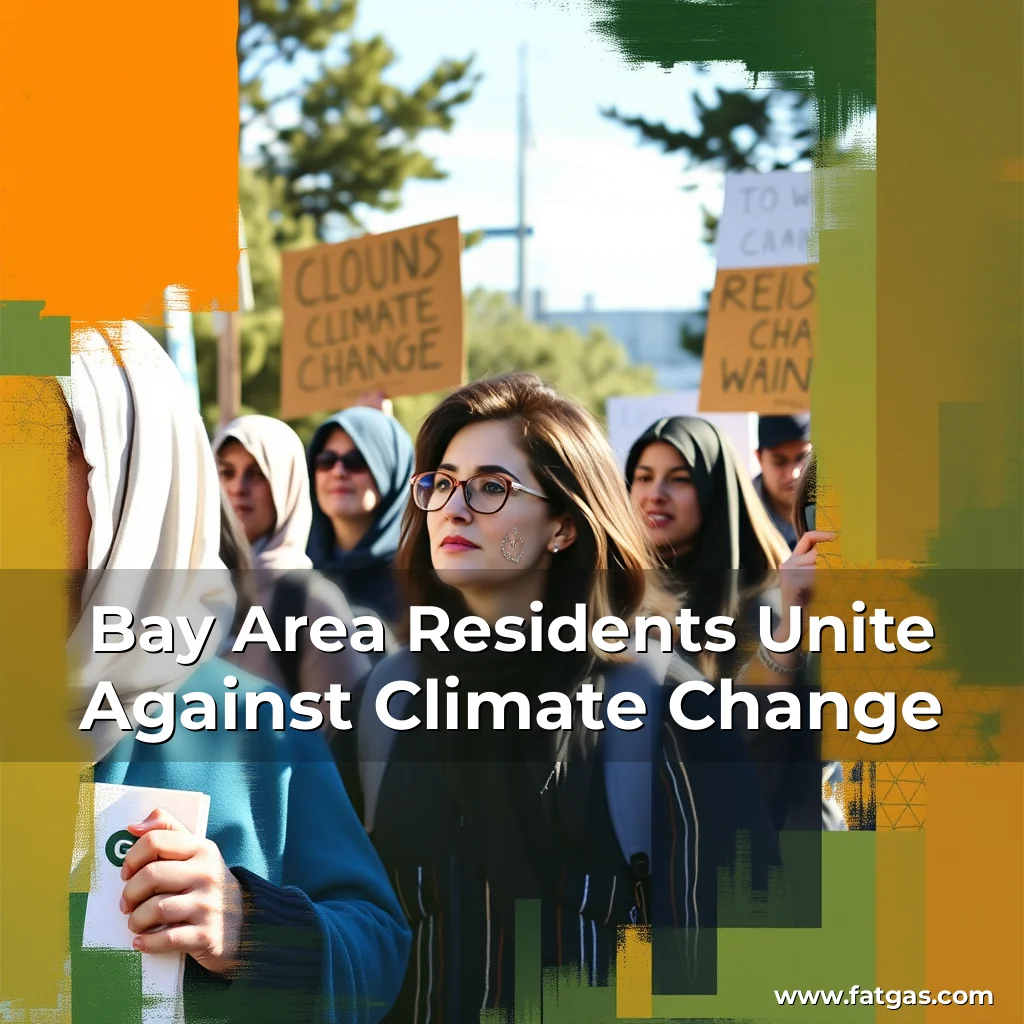
San Francisco has the highest percentage of residents who believe in climate change in the country, and Alameda County is a close second. Residents like me have long been involved in protesting, contacting representatives, and reducing, reusing, and recycling to combat our impact on the planet and its people. However, despite these efforts, it’s clear that we’re not making a dent.
Under the Trump administration, significant steps have been taken to undermine climate change efforts. The Paris Climate Agreement has been withdrawn, federal workers from the Environmental Protection Agency, National Oceanic and Atmospheric Administration, and National Park Service have been fired, and investigations into state programs encouraging clean transportation have been launched.
The administration’s disregard for climate research, action, and education is not only harming the environment but also exacerbating the growing climate anxiety among Bay Area residents. Climate anxiety is a legitimate concern, with Yale survey data showing that Bay Area residents exhibit the highest rates of climate anxiety in the country.
According to the American Psychological Association, climate anxiety can lead to feelings of helplessness and depression. Despite our concern for climate change, anxious Americans may struggle to engage in climate action, particularly when their individual agency feels limited.
Community Science Initiatives: A Solution to Climate Anxiety
Fortunately, research suggests that community science initiatives can be a powerful tool in addressing climate anxiety and promoting climate action. As defined by the California Academy of Sciences, community science is a global movement that brings together scientists and non-scientists to make observations, collect data, and answer pressing environmental questions.
Examples of community science initiatives include the City Nature Challenge, a four-day competition where residents are encouraged to catalog as many iNaturalist observations as possible, and the Cornell Lab of Ornithology’s Project FeederWatch, a program where participants monitor bird feeder activity. These projects have informed several scientific research papers, empowering everyday people to contribute to science.
Participating in community science initiatives has numerous benefits, including improved health and wellbeing, increased scientific literacy, increased environmental responsibility, and increased pro-environmental attitudes. Moreover, collective community science projects, such as the City Nature Challenge, have been shown to boost hope and reduce symptoms of depression in individuals experiencing climate anxiety.
Getting Involved in Community Science in the Bay Area
Fortunately, community science initiatives are readily available in the Bay Area. For example, the California Academy of Sciences offers various projects, such as tidepooling for endangered sea stars or identifying 30 native species in San Francisco. Similarly, the Tamalpais Bee Lab invites volunteers to survey insects on Mount Tam trails, while the NASA GLOBE program allows participants to send cloud observations to NASA satellites.
With numerous projects to choose from, Bay Area residents can easily get involved in community science and contribute to climate science while staying engaged and excited about climate action. So, the next time you’re overwhelmed by climate headlines, get outside, do some science, and help secure a livable future for all.
Conclusion
By participating in community science initiatives, Bay Area residents can directly contribute to climate science while staying motivated and engaged about climate action. As we face the climate crisis, it’s essential to recognize the power of collective action and community science in promoting hope and reducing climate anxiety. By working together, we can build a more sustainable and livable future for generations to come.
References
Brooke Kasl-Godley, a junior at Scripps College, studying environmental science and psychology.
| Projects | Description |
|---|---|
| City Nature Challenge | A four-day competition where residents catalog as many iNaturalist observations as possible. |
| Project FeederWatch | A program where participants monitor bird feeder activity. |
| Tamalpais Bee Lab | Volunteers survey insects on Mount Tam trails. |
| NASA GLOBE program | Participants send cloud observations to NASA satellites. |
“The power of community science lies in its ability to bring together scientists and non-scientists to make a difference. It’s not just about collecting data; it’s about empowering everyday people to contribute to science and create a better future for our planet.” — California Academy of Sciences
* Community science initiatives can counteract climate anxiety and promote climate action. * Participating in community science can improve health and wellbeing, increase scientific literacy, and promote environmental responsibility. * Collective community science projects can boost hope and reduce symptoms of depression in individuals experiencing climate anxiety.
* The Bay Area is rich in community science initiatives, making it easy for residents to get involved. * Community science can be a powerful tool in addressing the climate crisis and promoting a more sustainable future.
* Community science initiatives can provide a sense of agency and empowerment for individuals experiencing climate anxiety. * By participating in community science, individuals can contribute to climate science while staying motivated and engaged about climate action.
* Community science can be a powerful tool in building hope and reducing climate anxiety, promoting a more sustainable and livable future for generations to come.
* Community science initiatives can facilitate collective climate action, promoting a sense of community and shared responsibility for addressing the climate crisis.
* By working together through community science initiatives, individuals can create a more sustainable and livable future for all.
* Community science initiatives can promote environmental responsibility by empowering individuals to contribute to climate science and create a better future for the planet.
* Climate change: A global phenomenon characterized by rising temperatures, melting ice caps, and extreme weather events.
* Community science initiatives can be a powerful tool in addressing the climate crisis and promoting a more sustainable future.
* Community science initiatives can promote pro-environmental attitudes by empowering individuals to contribute to climate science and create a better future for the planet.
* Community science initiatives can contribute to creating a more sustainable future by empowering individuals to contribute to climate science and create a better future for the planet.
* Community science initiatives can contribute to building climate resilience by empowering individuals to contribute to climate science and create a better future for the planet.
* Pro-environmental behaviors: Positive behaviors towards the environment, such as reducing energy consumption, using public transportation, and reducing waste.
* Community science initiatives can contribute to climate change mitigation by empowering individuals to contribute to climate science and create a better future for the planet.
* Community science initiatives can promote environmental justice by empowering individuals to contribute to climate science and create a better future for the planet.
* Climate action: Actions taken to address the impacts of climate change, such as reducing greenhouse gas emissions and transitioning to renewable energy sources.
* Community science initiatives can facilitate climate action by empowering individuals to contribute to climate science and create a better future for the planet.
* Community science initiatives can contribute to reducing greenhouse gas emissions by empowering individuals to contribute to climate science and create a better future for the planet.
* Community science initiatives can promote the use of renewable energy sources by empowering individuals to contribute to climate science and create a better future for the planet.
* Sustainable development: The practice of meeting the needs of the present without compromising the ability of future generations to meet their own needs.
* Community science initiatives can contribute to climate change adaptation by empowering individuals to contribute to climate science and create a better future for the planet.
* Community science initiatives can promote green infrastructure by empowering individuals to contribute to climate science and create a better future for the planet.
* Sustainable future: A future characterized by the long-term health and well-being of the environment, human societies, and the planet as a whole.
* Climate change mitigation: Actions taken to reduce the causes of climate change, such as reducing greenhouse gas emissions and transitioning to renewable energy sources.