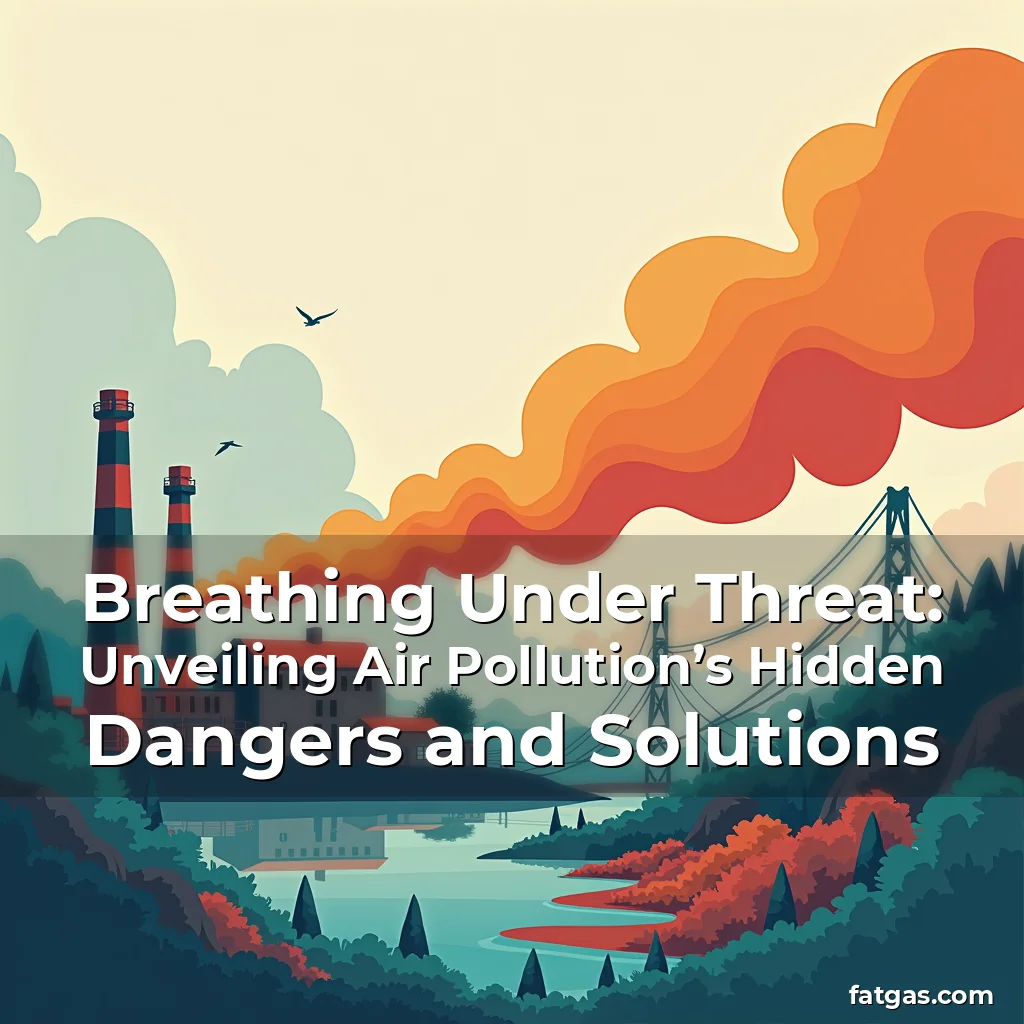
Breathing Under Threat: Unveiling Air Pollution’s Hidden Dangers and Solutions
Air pollution has become a silent crisis, infiltrating our lungs and ecosystems without warning. From smog-choked cities to invisible toxins drifting across continents, its impact is both pervasive and insidious.
This article delves into the science, consequences, and remedies of air pollution, offering insights tailored to communities grappling with environmental challenges—and those seeking actionable change.
The Invisible Menace: Understanding Air Pollution Sources
Air pollution stems from natural and human-made sources, creating a complex web of contaminants. Volcanic eruptions release sulfur dioxide, while wildfires emit particulate matter—but human activities dominate modern pollution levels.
Fossil fuel combustion remains the primary culprit, powering vehicles, factories, and homes worldwide. Coal plants, diesel engines, and industrial processes spew pollutants such as nitrogen oxides, carbon monoxide, and volatile organic compounds (VOCs).
Urban centers face compounded risks due to traffic congestion and outdated infrastructure. In developing regions, open burning of waste and agricultural practices exacerbate local air quality crises.
Indoor air pollution also poses significant threats, particularly in areas reliant on biomass stoves for cooking. This hidden danger disproportionately affects women and children in low-income households.
- Transportation: Vehicles account for nearly 29% of U.S. greenhouse gas emissions, contributing heavily to NOx and PM2.5 pollution.
- Industrial Emissions: Factories produce toxic substances like benzene and mercury, often released without adequate filtration systems.
- Household Activities: Cooking with solid fuels
Policy and Advocacy: Shaping a Cleaner Future
Governments wield immense power in mitigating air pollution through regulation and investment. Policies like cap-and-trade systems incentivize businesses to cut emissions while fostering innovation in green technologies.
The Paris Agreement exemplifies international cooperation, setting ambitious targets to limit global temperature rise. However, enforcement mechanisms remain inconsistent, allowing some nations to lag behind commitments.
Local initiatives, such as car-free zones and emission standards for construction equipment, have proven effective. Communities increasingly demand accountability from corporations and policymakers alike.
Public awareness campaigns highlight individual actions, from reducing single-use plastics to choosing eco-friendly transportation options. Grassroots movements amplify pressure for systemic change.
Success Stories: Lessons from Around the World
Dubai’s transition to electric public transit reduced citywide emissions by 30% in five years. Investments in renewable energy and stringent vehicle regulations were central to this achievement.
Germany’s Energiewende program prioritizes renewables, cutting coal dependence significantly. Despite initial economic hurdles, job creation in the green sector offset losses in traditional industries.
Sustainable Living: Individual Actions Matter
While systemic change is essential, personal choices contribute meaningfully to cleaner air. Simple habits—like biking instead of driving or using energy-efficient appliances—reduce one’s carbon footprint.
Supporting companies committed to sustainability sends market signals favoring greener production methods. Consumers can opt for products certified by organizations like Energy Star or B Corp.
Reducing meat consumption lowers methane emissions linked to livestock farming. Plant-based diets require fewer resources and generate less atmospheric pollution compared to animal agriculture.
Planting trees enhances air quality by absorbing CO2 and filtering particulates. Urban reforestation projects provide dual benefits of cooling cities and improving mental well-being.
The Road Ahead: Challenges and Opportunities
Despite progress, air pollution persists due to uneven implementation of solutions. Developing nations often lack funding for advanced mitigation strategies, widening disparities in environmental justice.
Rapidly advancing AI and machine learning offer new tools for predicting pollution trends and optimizing resource allocation. These innovations hold potential for predictive modeling and adaptive policymaking.
Climate change intensifies existing pollution problems, creating feedback loops that worsen outcomes. Rising temperatures increase ground-level ozone formation, compounding respiratory risks.
Collaboration across sectors—including government, business, academia, and civil society—is vital. Shared knowledge and pooled resources accelerate breakthroughs in pollution control.
Conclusion
Air pollution is a multifaceted issue requiring coordinated action at every level—from global treaties to daily decisions. Its dangers are undeniable, yet solutions exist within reach.
By embracing sustainable practices, demanding stronger policies, and investing in innovation, we can transform the narrative from one of peril to possibility. Clean air is not a privilege—it is a right worth fighting for.