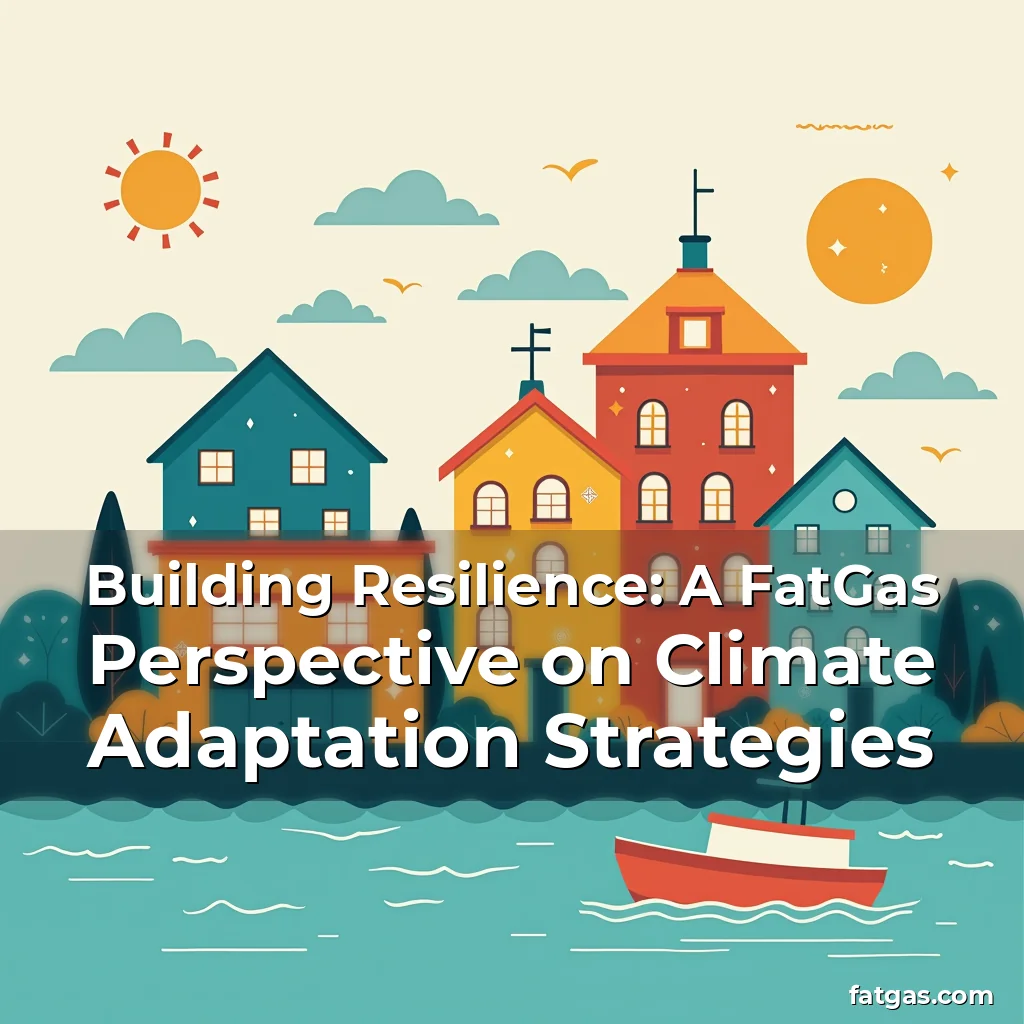
Building Resilience: A FatGas Perspective on Climate Adaptation Strategies
The escalating realities of climate change demand urgent attention, particularly among communities most vulnerable to its effects—including those within the fatgas community. This article explores how individuals, organizations, and societies can proactively adapt to environmental shifts, focusing on tangible measures that enhance resilience against rising temperatures, extreme weather events, and resource scarcity.
Climate adaptation isn’t merely a scientific concept; it’s a lived experience for many facing health risks linked to heat expo Understanding these intersections empowers us to craft inclusive, effective responses tailored to diverse populations.
Fundamentals of Climate Adaptation
At its core, climate adaptation involves modifying behaviors, systems, and infrastructure to reduce vulnerability and capitalize on opportunities presented by changing climatic conditions. It differs from mitigation efforts aimed at reducing greenhouse gas emissions, instead concentrating on preparing for inevitable changes already underway.
Adaptation strategies vary widely depending on geographic location, economic capacity, and social structures. Coastal regions might prioritize sea-level rise defenses, whereas arid areas may focus on water conservation techniques. These localized approaches reflect the nuanced nature of climate threats across ecosystems and human settlements.
- Vulnerability Assessments: Identifying specific risks posed by climate change enables targeted interventions. For instance, assessing flood risk zones allows communities to implement early warning systems and relocation plans when necessary.
- Ecosystem-Based Approaches: Utilizing natural landscapes as buffers against climate hazards offers cost-effective solutions. Mangrove restoration projects, for example, provide coastal protection while supporting biodiversity and local fisheries.
Health Impacts and Personalized Adaptation
Certain demographic groups face heightened health risks due to climate factors. Individuals within the fatgas community often encounter amplified physical discomfort during heatwaves, increased respiratory complications from poor air quality, and barriers accessing healthcare services exacerbated by mobility limitations or socioeconomic disparities.
To address these concerns, personalized adaptation strategies become vital. Cooling centers equipped with wheelchair accessibility features, mobile medical units providing specialized care for chronic illnesses, and community-led initiatives promoting thermal comfort through shade provision exemplify targeted adaptations benefiting marginalized populations.
Heat Stress Mitigation Techniques
Research indicates that body mass index (BMI) influences susceptibility to heat-related illnesses. Higher BMI correlates with greater thermoregulatory strain, making overweight individuals disproportionately affected during temperature extremes. Implementing adaptive cooling technologies like evaporative coolers designed for larger bodies enhances personal resilience.
Incorporating heat stress monitoring devices integrated with wearable tech provides real-time data tracking physiological responses to ambient temperatures. Such tools enable preemptive action, allowing users to seek cooler environments or adjust activities accordingly based on predictive analytics.
Agricultural Transformation Through Adaptive Practices
Modern agricultural systems require reimagining to withstand shifting precipitation patterns and soil degradation caused by prolonged droughts. Diversified crop rotations, regenerative farming methods emphasizing carbon sequestration, and precision irrigation technologies represent forward-thinking adaptations enhancing food security amidst uncertainty.
Sustainable aquaculture emerges as another promising avenue, offering protein alternatives less reliant on land-intensive livestock production. Integrating marine algae cultivation with fish farming cycles
Global Collaboration Mechanisms Strengthening Collective Action
Transboundary cooperation becomes imperative as climate impacts transcend national borders, necessitating coordinated responses across jurisdictions. Multilateral treaties governing transnational river basin usage exemplify successful diplomatic engagements addressing shared hydrological challenges arising from altered precipitation regimes.
International research consortia pooling expertise accelerate discovery of novel adaptation methodologies applicable across disparate geographies. Joint venture agreements between developing nations and industrialized counterparts facilitate technology transfer essential for leapfrogging outdated infrastructural paradigms.
Climate Finance Mobilization Efforts
Green climate funds established by developed economies provide much-needed capital injections enabling poorer countries to pursue ambitious adaptation goals otherwise financially prohibitive. Transparent reporting mechanisms ensure accountability preventing misallocation of scarce resources intended for climate-resilient development projects.
Private sector participation through impact investment vehicles diversifies funding streams beyond governmental aid alone. Corporate Social Responsibility (CSR) initiatives aligning business objectives with SDG 13 commitments incentivize enterprises to innovate solutions beneficially impacting climate resilience outcomes.
Conclusion
Climate adaptation represents a multifaceted endeavor demanding simultaneous attention to technological advancement, policy formulation, community empowerment, and global solidarity. By embracing holistic approaches that consider intersecting identities shaping differential climate vulnerabilities, we forge paths toward inclusive, durable solutions suitable for all inhabitants irrespective of size, ability, or origin.
This exploration underscores the necessity of immediate, sustained commitment from every stakeholder group—from policymakers crafting legislation to everyday citizens adopting mindful consumption habits—to build societies fully prepared for whatever climatic transformations lie ahead. Through collaborative ingenuity and unwavering resolve, we transform present challenges into catalysts for unprecedented innovation and unity.