The Ecological Threats Facing Syria
The Syrian government has been grappling with the aftermath of the devastating civil war, which has left the country in a state of disarray. The war has had a profound impact on the environment, with widespread destruction of infrastructure, pollution, and loss of biodiversity. The country’s natural resources, including its water, soil, and forests, have been severely degraded. • The war has led to the destruction of entire ecosystems, including the loss of wildlife habitats and the degradation of agricultural land. • The pollution of water sources has had a devastating impact on the country’s ecosystem, with many rivers and lakes becoming contaminated with chemicals and pollutants.
Factors Contributing to the Conflict
The Syrian civil war was a complex and multifaceted conflict that involved various factors beyond climate change.
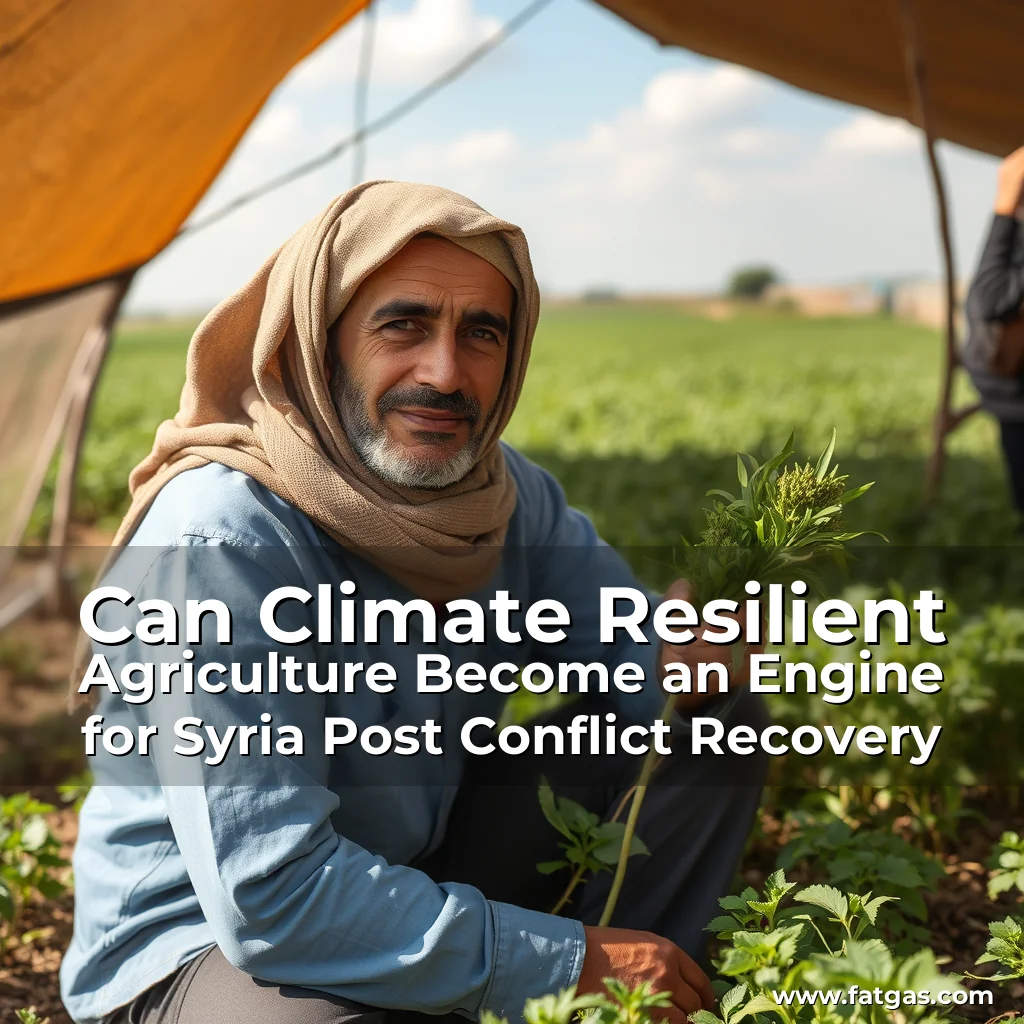
The conflict has also led to the displacement of many people, including farmers, who have been forced to flee their homes and livelihoods. The agricultural sector in Syria is characterized by a mix of small-scale and large-scale farming practices. Small-scale farming is prevalent in rural areas, where many farmers rely on traditional methods and techniques passed down through generations. These small-scale farmers often work on family-owned plots of land, using manual labor and simple tools to cultivate crops such as wheat, barley, and vegetables.
The destruction of agricultural infrastructure is a significant issue, as it has a ripple effect on other sectors such as manufacturing and services. The war has also disrupted the country’s natural resources, including the fertile agricultural land and the Tigris and Euphrates rivers, which are critical to the country’s food security. The war has resulted in a significant loss of agricultural productivity, with a decline in crop yields of 40% in 2015, according to the Food and Agriculture Organization of the United Nations (FAO). This decline in productivity has been attributed to the destruction of crops, poor soil quality, and reduced access to agricultural inputs such as seeds, fertilizers, and irrigation systems. The Syrian government has implemented several measures to address the crisis, including the establishment of a national agricultural strategy. However, the effectiveness of these measures has been hindered by the ongoing conflict and the lack of access to markets, finance, and technical expertise. The international community has also played a role in providing humanitarian assistance to the affected areas, including food aid and support for irrigation and water management projects.
This entails developing and implementing training programs that focus on climate-resilient agricultural practices. Furthermore, providing adequate support to farmers to recover from the conflict is also necessary, including access to food, water, and other essential services. The international community must prioritize the Syrian people’s needs and support the government-led efforts to rebuild the sector. This can be achieved through increased funding for agricultural development projects and capacity-building initiatives. The successful rebuilding of the Syrian agricultural sector will require a sustained commitment to supporting the country’s long-term development goals, particularly those related to food security and sustainable agriculture. This will involve continued investment in programs that promote climate-resilient agriculture, improve agricultural productivity, and enhance the overall resilience of the sector. Here is the detailed and comprehensive text based on the provided summary: Improving the climate resilience of Syrian agricultural production systems is of paramount importance. The sector’s resilience is crucial for the country’s food security and sustainable development, as it is the backbone of the economy and provides livelihoods for millions of people. The effects of climate change on Syrian agriculture are multifaceted and far-reaching, with rising temperatures, changing precipitation patterns, and increased frequency of extreme weather events posing significant challenges to the sector’s productivity and stability. To improve the climate resilience of Syrian agricultural production systems, key actions must be taken to address the sector’s most pressing needs. One critical step is repairing damaged irrigation systems, which are essential for the efficient and sustainable use of water resources.
Rebuilding Trade and Transportation Corridors
The Syrian government has been working tirelessly to rebuild and stabilize its international borders, with a focus on establishing trade and transportation corridors. This effort is crucial for the country’s agricultural export industry, which has been severely impacted by the ongoing conflict.
Rebuilding trade and transportation corridors will have a significant impact on Syria’s economy.
The Importance of Sustainable Agricultural Recovery
Sustainable agricultural recovery is crucial for the long-term stability and prosperity of Syria. The country’s agricultural sector has been severely impacted by the ongoing conflict, with widespread destruction of crops, livestock, and infrastructure. The loss of agricultural production has resulted in food insecurity, economic hardship, and a significant decline in the overall standard of living for the Syrian people. • The agricultural sector is a vital component of Syria’s economy, accounting for approximately 20% of the country’s GDP. • The sector provides employment opportunities for millions of people, both directly and indirectly.