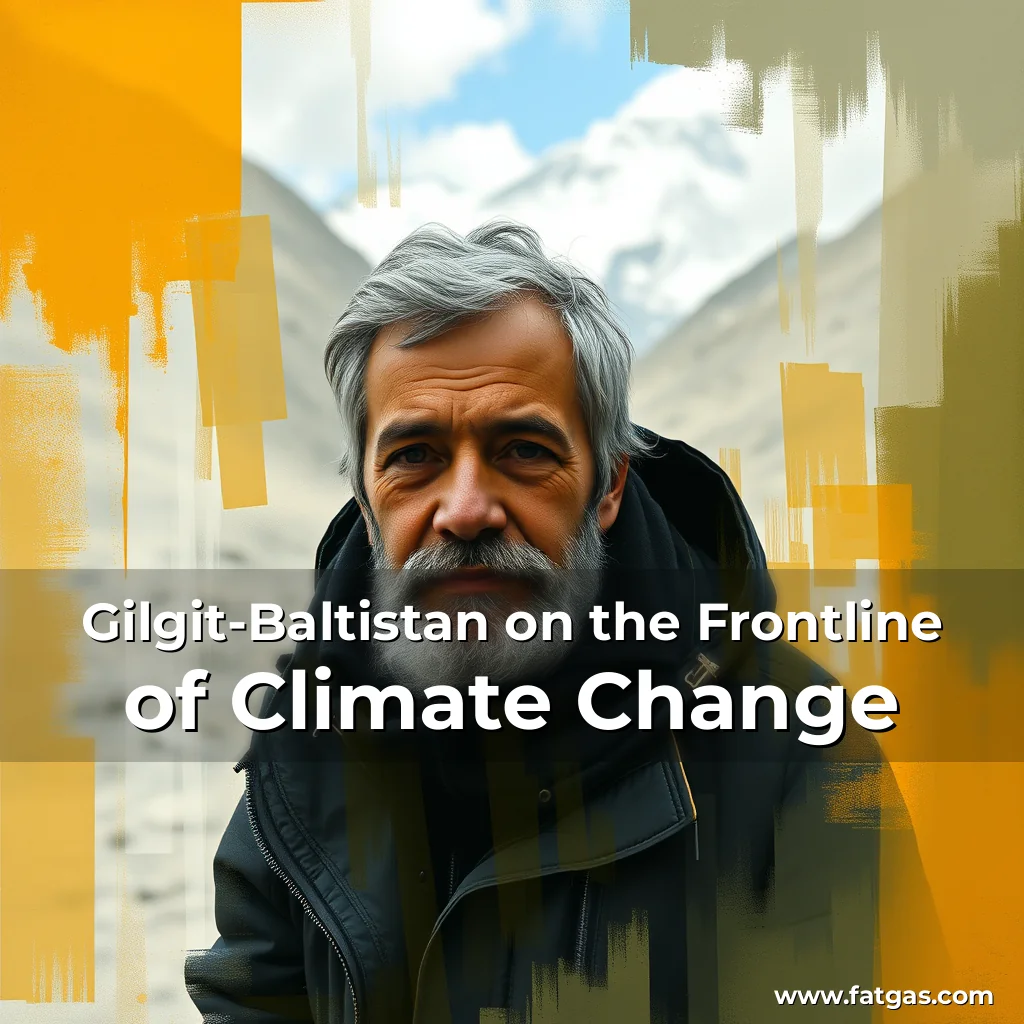
The region is under increasing pressure as the effects of climate change become more apparent in Gilgit-Baltistan. The region’s unique geography makes it particularly vulnerable to the impacts of global warming.
- Glacial melting
- Gloves lakes outburst floods (GLOFs)
- Changes in water flow
- Increased risk of landslides
These incidents have caused significant destruction and displacement of local communities. The regional authorities are facing a significant challenge in providing adequate support to those affected. In recent years, there have been several notable glacial melting events in the region. The most recent incident occurred in 2024, where a glacier in the Karakoram range collapsed, causing widespread damage and displacement. The UNDP and the Ministry of Climate Change are providing significant support to the region through the GLOF-II Project. This project aims to enhance climate resilience in Gilgit-Baltistan, through initiatives such as:
- Installing early warning systems
- Protective flood barriers
- Water channels
- Community centres
The federal minister, accompanied by a high-level delegation, is currently visiting Baltistan to inspect these initiatives and assess climate change impacts in the region. During their visit, the delegation
visited Ghanche district
, where they inspected the community centre in Barah village. The centre was inaugurated by Senator Musadik Malik, who praised the efforts of the local community for their resilience and adaptability in the face of climate change. “The initiatives taken under the GLOF-II Project are critical and deserve recognition for empowering communities to respond effectively to climate threats,” said Senator Malik. “These interventions are helping build a resilient Pakistan.”
The visit is a testament to the region’s commitment to addressing the impacts of climate change. It also highlights the importance of international cooperation in supporting the region’s efforts to build resilience and adapt to climate change. In a recent statement, the UNDP highlighted the significance of the project, stating: “The GLOF-II Project is a critical component of Pakistan’s climate change response strategy, and we are committed to supporting the government’s efforts to enhance climate resilience in the region.”
The visit has sparked renewed hope for the local communities, who are eager to see the impact of the project in their daily lives.
Women’s Empowerment and Community Resilience
The GLOF-II Project is also focusing on women’s empowerment and community resilience. In Barah village, Senator Malik visited a women’s group, where he learned about the challenges faced by local women in the face of climate change. “The women in our community are facing significant challenges in accessing basic services and resources,” said a local woman. “The community centre constructed under the GLOF-II Project is helping to address these issues, and providing a safe space for women to come together and support each other.”
The project is also providing training and capacity-building programs for local community leaders, with a focus on climate change mitigation and adaptation.
Conclusion
The visit of Senator Musadik Malik to Gilgit-Baltistan is a significant milestone in the region’s efforts to address the impacts of climate change. The UNDP and the Ministry of Climate Change are providing critical support to the region, and the visit highlights the importance of international cooperation in supporting the region’s efforts to build resilience and adapt to climate change. As the region continues to face the challenges of climate change, it is clear that the initiatives under the GLOF-II Project are critical to empowering communities to respond effectively to climate threats. With the support of international partners, the region is well-equipped to build a resilient future.