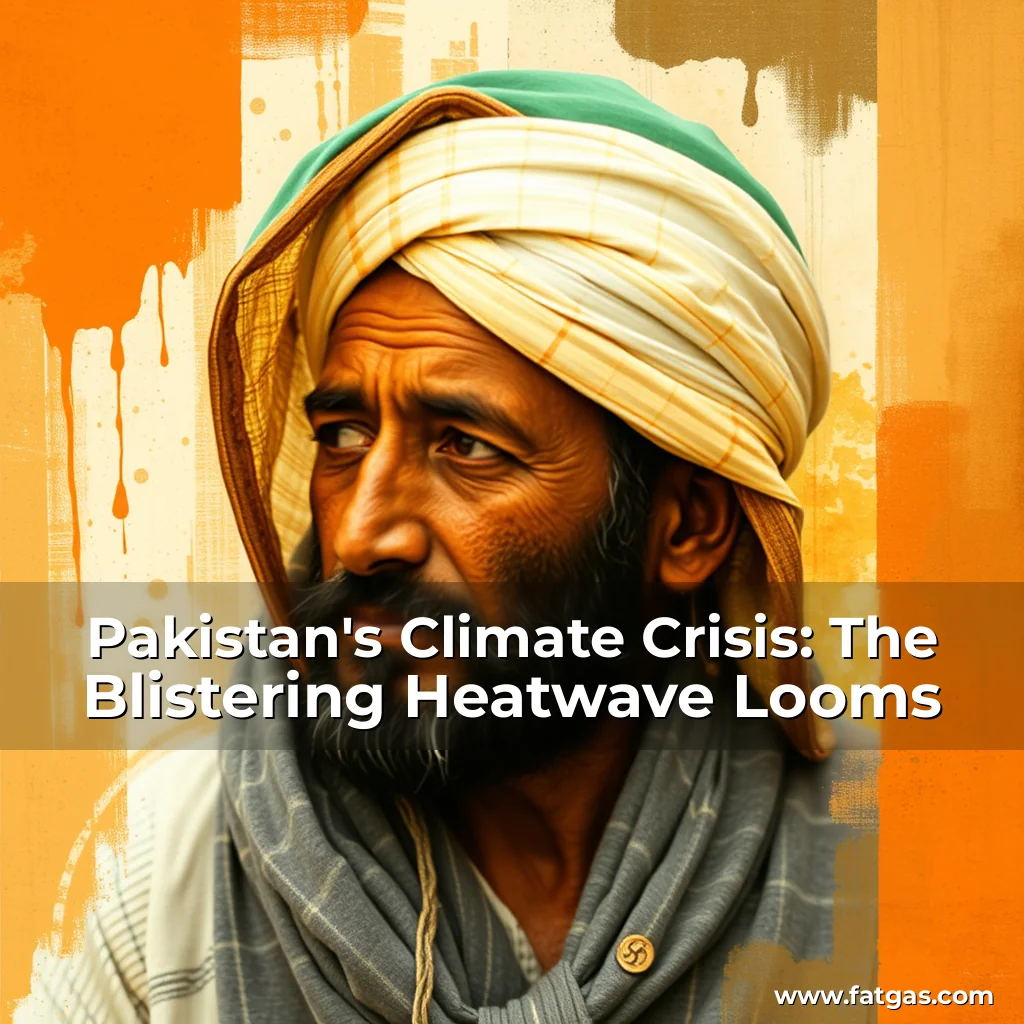
Pakistan is once again facing a severe climate-induced crisis as a blistering heatwave is expected to sweep across much of the country throughout the current week, peaking over the southern regions from April 14. The country’s water resources are already stretched dangerously thin, making the situation even more precarious. A high-pressure system in the upper atmosphere is forecast to intensify conditions, causing daytime temperatures to rise 6°C to 8°C above normal in Sindh, southern Punjab, and Baluchistan. The northern half of the country is also expected to experience temperatures 4°C to 6°C above average. The forecast also warns of hot nights, dust storms, and windstorms, painting a sobering picture for the days ahead. These extreme weather conditions arrive at a time when Pakistan’s water resources are already alarmingly low. The water levels at Tarbela and Mangla dams, the country’s major reservoirs, are depleting at an alarming rate.
| Water levels at Tarbela Dam | April 1, 2025 – April 14, 2025 |
| 0.8 meters | 0.5 meters |
The water levels at these dams are expected to drop further during this period, exacerbating the drought-like conditions already affecting many of Pakistan’s agricultural zones. With rainfall far below average during the first quarter of 2025, the country’s agricultural zones are already facing significant challenges. The compounding pressure of extreme heat now threatens to deliver a devastating blow to farming communities across the country. Pakistan is rapidly moving from a state of vulnerability to full-blown climate emergency. The escalating frequency and intensity of such climate events underscore this harsh truth. However, the response from policymakers remains disconcertingly inadequate. While provincial and federal authorities issue advisories and short-term relief measures, there is little evidence of a coordinated, long-term strategy to address the deepening crisis. The country continues to rely on reactive, piecemeal interventions rather than proactive, structural reform. The situation is further complicated by the need for farmers to adjust their activities in light of the forecast. The Met Office’s latest advisory to farmers urged them to adjust their activities in light of the forecast and to take measures to safeguard their livestock. However, such guidance offers little in the face of repeated, increasingly severe weather shocks. What Pakistan truly needs is a long-term vision for agricultural resilience. This involves re-educating farmers, introducing climate-smart farming techniques, and building systems that help communities adapt to changing weather patterns. Traditional farming practices, once effective, may no longer be viable in the new climate reality. Without systemic support, farmers will continue to bear the brunt of climate inaction. Equally urgent is the issue of water management. Experts have long warned that Pakistan, already among the most water-stressed countries in the world, cannot afford to waste its depleting water resources. Years of inefficient usage, poor infrastructure, and lack of public awareness have led to an unsustainable situation. The current state of the country’s reservoirs highlights the urgency of the crisis. Public awareness campaigns around water conservation and responsible usage must be prioritized, and the seriousness of the situation must be communicated clearly to citizens at all levels. Conservation cannot remain a choice — it must become a national imperative. The battle with climate change is not one of the future; it is unfolding now. The soaring temperatures, parched fields, and emptying reservoirs are all stark reminders that climate adaptation can no longer be delayed. This is no longer just an environmental issue — it is a social, economic, and existential challenge that requires immediate, sustained, and collective action. A ****_Climate Emergency_****
Pakistan’s climate crisis is not just an environmental issue; it is a social, economic, and existential challenge that requires immediate, sustained, and collective action. The country’s water resources, agricultural zones, and communities are all under severe stress, making it imperative for policymakers to take a proactive approach. The situation demands a coordinated response from all stakeholders, including the government, farmers, and the general public. A long-term strategy for agricultural resilience and water management is needed to address the deepening crisis. The time for discussion and debate is over. The time for action is now. Pakistan needs a ****_Climate-Resilient_** ****_Pakistan_****, and it needs it now. Key Issues
- Agricultural resilience and water management
- Climate-smart farming techniques
- Public awareness campaigns
- Long-term strategy for climate adaptation
What Can Be Done
- Raise awareness about the importance of water conservation and responsible usage
- Introduce climate-smart farming techniques and provide support to farmers
- Develop a long-term strategy for agricultural resilience and water management
- Encourage the use of renewable energy sources
Conclusion
Pakistan’s climate crisis is a pressing issue that requires immediate attention. The time for discussion and debate is over; the time for action is now. Pakistan needs a climate-resilient future, and it needs it now.