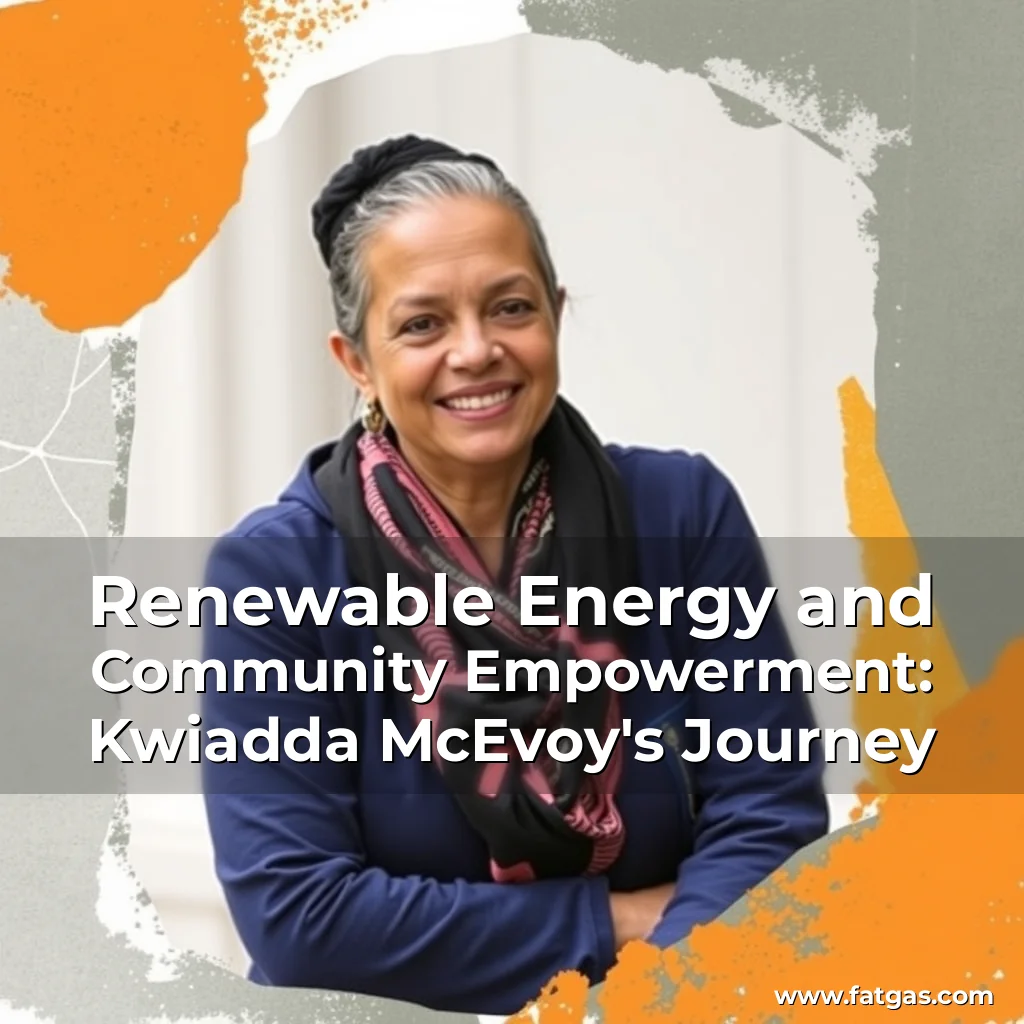
Kwiadda McEvoy, a UVic undergrad and member of the Haida Nation, is set to embark on an exciting internship that will help their Nation chart its course towards renewable energy. The six-month placement, facilitated through UVic’s Accelerating Community Energy Transformation (ACET) initiative, aims to build Haida Gwaii’s first Community Energy Plan.
Identifying Pathways to Reduce Diesel Use
McEvoy’s internship, officially titled “Identifying pathways to reduce diesel use on Haida Gwaii,” will involve planning engagement sessions to bring the voices of Haida members to the table in discussions about how to transition the archipelago to renewable energy. This approach is critical in ensuring that the move to cleaner energy is done in a way that aligns with Haida values.
- McEvoy’s internship is facilitated through UVic’s ACET initiative, which supports Indigenous communities in their efforts to transition to renewable energy.
- During the engagement sessions, McEvoy will work with Haida members to identify potential pathways to reduce diesel use, including the adoption of renewable energy sources, energy efficiency measures, and other strategies.
- The goal is to create a Community Energy Plan that outlines how the Haida Nation will make decisions about the future of energy on the archipelago.
A Holistic Approach to Climate Action
McEvoy’s approach to climate action is not just about reducing diesel use, but also about systemic change that incorporates Haida culture and values. As a high school student, McEvoy organized Climate Youth Strikes and other community climate events, and now, as an anthropology student at UVic, they continue to focus on bringing renewable energy to Haida Gwaii.
“They have this really holistic view of what a just transition would look like,” said Midori Campos, a Haida Gwaii resident who organizes a Youth Climate Action Fellowship that McEvoy is involved with. “This is going to be so important as Haida Gwaii itself moves from diesel to other climate solutions.”
A Historic Title Agreement and Newfound Legal Rights
Recently, the Haida Nation signed a historic Title Agreement with the Canadian government, recognizing the Haida people’s property rights to the entire archipelago. This agreement is part of an ongoing series of agreements between the federal, provincial, and Indigenous government that will transfer the roughly 500 000 hectares of Crown Land to the Haida Nation.
| Transition Period | Government Responsibilities |
|---|---|
| Over a five-year transition period | Various governments will work together to bring current land use under the guidance of Haida stewardship |
With the recognition of Haida Gwaii as a self-governing body, there is a real emphasis on community involvement in how Haida Gwaii sources its energy. McEvoy believes that these newfound legal rights will grant the Haida Nation more say in how the archipelago will transition away from fossil fuels, ensuring that the move to cleaner energy is done in a way that aligns with Haida values.
A Call to Action
“I want to take full advantage of this point in time that we’re in,” said McEvoy. “It’s not something that I’m doing for myself or my family; it’s a lot bigger than I am.” McEvoy’s internship is a testament to the importance of community empowerment and the need for Indigenous-led initiatives in addressing climate change.
With the recognition of Haida Gwaii’s newfound legal rights, McEvoy is optimistic about the achievability of the 80 per cent reduction in diesel use by 2030. “This is not just affecting now,” said McEvoy. “This is going to be something that the next generations will be dealing with. Whatever I am able to support right now is what will be handed off to them.”
A Lasting Legacy
McEvoy’s internship is a shining example of the impact that one person can have on their community. By working together, individuals can create a lasting legacy that benefits not just themselves, but future generations. As McEvoy looks to the future, they are clear about their goals: “I want to take full advantage of this point in time that we’re in, and I want to make sure that the next generations will be set up for success.”
With the recognition of Haida Gwaii’s newfound legal rights, McEvoy is hopeful that their community will be able to transition to cleaner energy and create a more sustainable future. As McEvoy said, “It’s not something that I’m doing for myself or my family; it’s a lot bigger than I am.”
As McEvoy embarks on this journey, they are not alone. There are countless individuals and organizations working towards a common goal: to create a more sustainable future for all. By supporting initiatives like McEvoy’s internship, we can help create a lasting legacy that benefits future generations.
With the recognition of Haida Gwaii’s newfound legal rights, McEvoy is optimistic about the achievability of the 80 per cent reduction in diesel use by 2030. Whatever I am able to support right now is what will be handed off to them.”
As McEvoy looks to the future, they are clear about their goals: “I want to take full advantage of this point in time that we’re in, and I want to make sure that the next generations will be set up for success.”
Supporting Community Empowerment
McEvoy’s internship is a testament to the importance of community empowerment and the need for Indigenous-led initiatives in addressing climate change. By supporting initiatives like McEvoy’s, we can help create a more sustainable future for all.
There are countless ways to support community empowerment initiatives like McEvoy’s. One way is to donate to organizations that support Indigenous-led climate initiatives. Another way is to volunteer your time and skills to support community-led projects.
By working together, individuals can create a lasting legacy that benefits not just themselves, but future generations. As McEvoy said, “It’s not something that I’m doing for myself or my family; it’s a lot bigger than I am.”
Creating a Sustainable Future
McEvoy’s internship is a shining example of the impact that one person can have on their community. By supporting initiatives like McEvoy’s, we can help create a more sustainable future for all.
As McEvoy looks to the future, they are clear about their goals: “I want to take full advantage of this point in time that we’re in, and I want to make sure that the next generations will be set up for success.”
With the recognition of Haida Gwaii’s newfound legal rights, McEvoy is hopeful that their community will be able to transition to cleaner energy and create a more sustainable future.