Climate Change in the Chattogram Hill Tracts (CHT): A Vulnerable Region
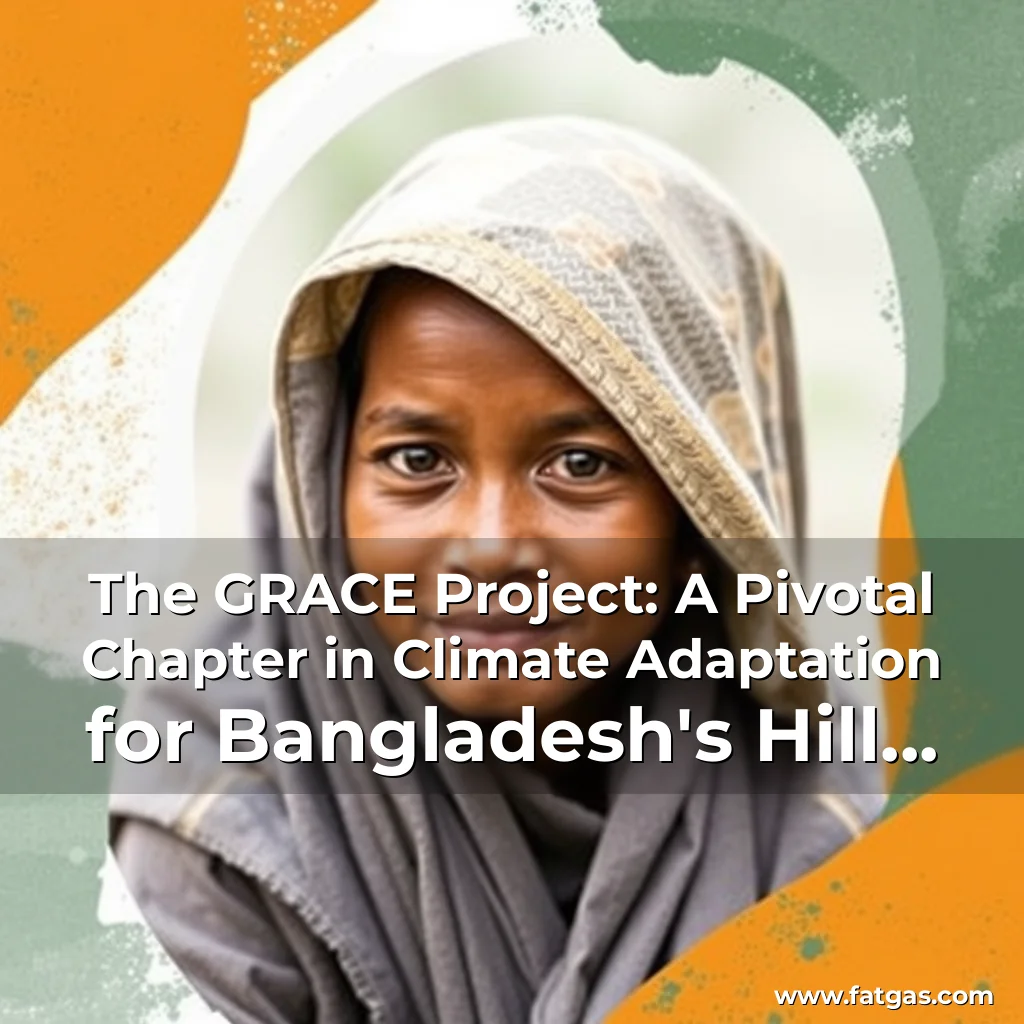
The Chattogram Hill Tracts (CHT) are a region in Bangladesh characterized by lush forests, majestic mountains, and diverse ethnic communities. However, this ecologically rich region is also extremely vulnerable to the impacts of climate change, with rising temperatures, changing precipitation patterns, and increased frequency of extreme weather events posing significant threats to the region’s residents. The CHT is home to over 30 ethnic minority groups, including the Chakma, Marma, and Tripura communities, who are highly dependent on the region’s natural resources for their livelihoods. The region’s unique geography and fragile ecosystem make it particularly susceptible to climate-related disasters, such as landslides, floods, and droughts.
The GRACE Project: A Transformative Initiative in Climate Resilience
The Adaptation Fund Board has recently approved the Green, Resilient, and Adaptive CHT Economy (GRACE) project, which will provide US$ 10 million in funding to support the most vulnerable hill communities in the CHT. The project aims to enhance climate resilience in the region through a range of nature-based and community-driven strategies. The GRACE project will focus on promoting sustainable land use, improving retention ponds, restoring springs, and groundwater recharge systems in water-scarce upazilas. It will also enhance climate-resilient infrastructure, improve community engagement and participation in climate-resilient development, and provide capacity-building support for local governments, women, and youth.
Key Components of the GRACE Project
- Establishing climate-resilient infrastructure in 25 upazilas during the first phase, with a potential expansion to cover the remaining 10 upazilas of the CHT
- Improving retention ponds, restoring springs, and groundwater recharge systems in water-scarce upazilas
- Promoting sustainable land use through climate-resilient agriculture methods
- Improving capacity of local governments, women, and youth to participate in climate-resilient development, disaster risk mitigation, and adaptation planning
The LoCAL Mechanism and Performance-Based Climate Resilience Grants
The GRACE project will implement its interventions through the Local Climate Adaptive Living Facility (LoCAL) mechanism, providing performance-based climate resilience grants to local governments and communities. This approach ensures a fair distribution of resources, promotes transparency, and supports continuous oversight from institutions.
Regional Partnerships and Implementing Entity
| Ministry of Environment, Forest and Climate Change (MoEFCC), Bangladesh | Official Designated Authority (DA) for the Adaptation Fund |
| International Centre for Integrated Mountain Development (ICIMOD) | Regional implementing entity |
| United Nations Capital Development Fund (UNCDF) | Partner organization |
Pivotal Partnerships for Climate Action
The GRACE project is being implemented through a collaborative effort between the Ministry of Environment, Forest and Climate Change, the Ministry of Chittagong Hill Tracts Affairs, Local Government Division, Chittagong Hill Tracts Development Board, and three Hill District Councils, with support from the United Nations Capital Development Fund.
Empowering Climate Action in the CHT
The GRACE project will enable local governments to develop and implement climate-resilient development plans, ensuring that the needs of the most vulnerable hill communities are met. By promoting inclusive governance, sustainable land use, and nature-based solutions, the project will contribute to the long-term resilience of the CHT. The project’s success will depend on the effective implementation of its strategies and the commitment of the local communities, governments, and partners involved.
Conclusion
The GRACE project represents a significant step forward in climate adaptation in Bangladesh, particularly in the vulnerable Chattogram Hill Tracts region. By promoting climate resilience, sustainable land use, and inclusive governance, the project will contribute to the long-term well-being of the region’s residents and the country as a whole. The project’s success will serve as a model for climate action in other vulnerable regions, demonstrating the potential of collaborative efforts to drive positive change.