Introduction
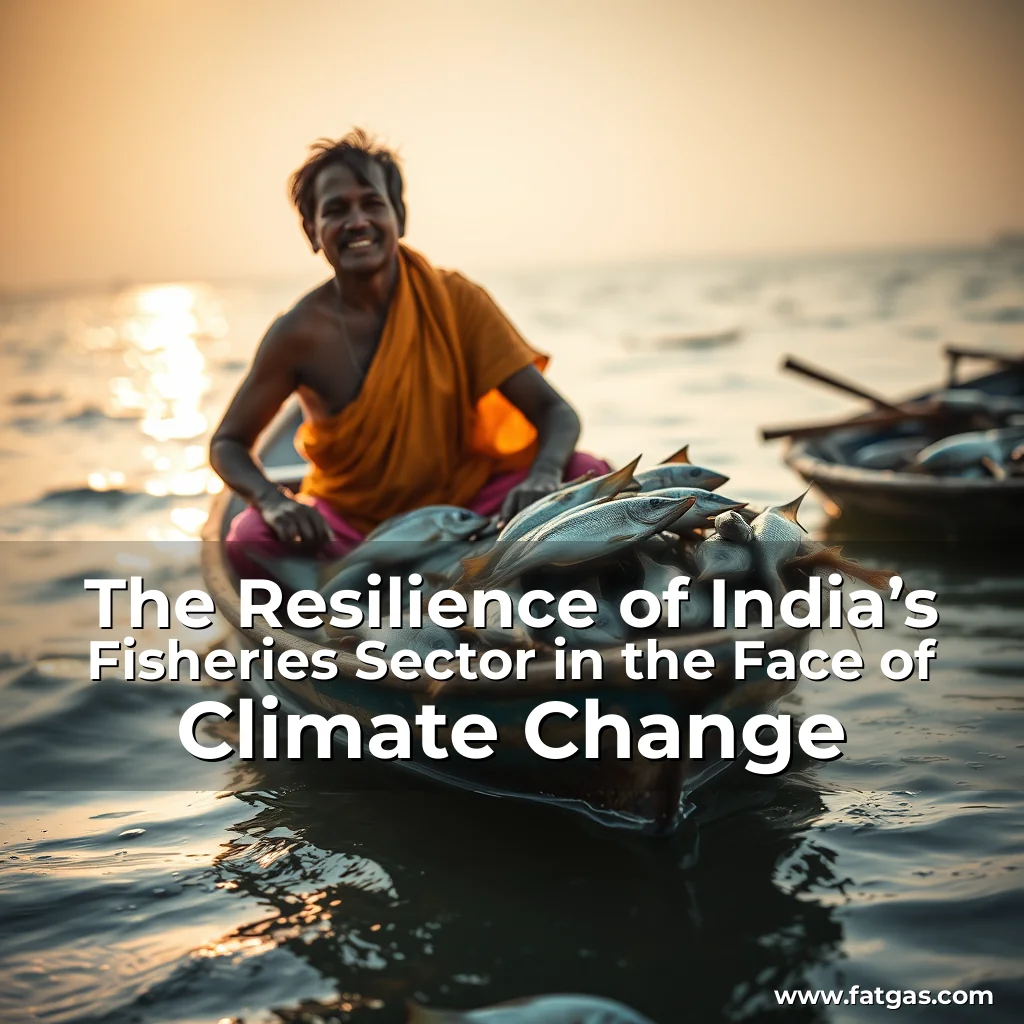
Climate change is leaving an indelible mark on India’s vital fisheries sector. The record-breaking temperatures in 2024 serve as a stark reminder of the sector’s vulnerability. The relentless march of global warming poses a significant threat to India’s multi-billion-dollar fisheries industry, which is already facing unprecedented disruptions to marine ecosystems.
- India is a global fisheries powerhouse, boasting a vast network of inland and marine resources, with a production trajectory that propelled it to the world’s second-largest fish producer.
- The sector’s 9% annual growth rate highlights its economic significance, but this growth is threatened by climate change-induced disruptions to marine ecosystems.
- Rising sea surface temperatures are triggering fish stock migration, altering traditional fishing patterns, and impacting catch yields.
The Impact of Climate Change on Marine Ecosystems
Climate change is having a profound impact on marine ecosystems, with far-reaching consequences for the fisheries sector. Research indicates that potential scarcity of specific fish varieties is a looming crisis, alongside regional disparities in vulnerability.
- Research suggests that climate change is altering traditional fishing patterns, impacting catch yields, and triggering fish stock migration.
- Declining dissolved oxygen levels in inland water bodies are weakening aquatic species’ immunity and increasing disease susceptibility.
- Altered oceanographic patterns and ocean acidification are posing a significant threat to marine biodiversity, with coral reefs being particularly vulnerable.
Socio-Economic Dimensions of Climate Change
The socio-economic dimensions of climate change are equally concerning. India’s extensive network of fishing villages and landing centres, supporting millions of fishers and fish workers, faces potential economic hardship.
| Initiatives | Objectives | Impact |
|---|---|---|
| Blue Revolution | Improve fisheries productivity and sustainability | Significant investments, but efficacy in mitigating climate change impacts remains a question mark |
| Fisheries and Aquaculture Infrastructure Development Fund | Enhance infrastructure and capacity building | Positive impact on infrastructure, but potential for climate change-induced disruptions |
| Pradhan Mantri Matsya Sampada Yojana | Enhance fisheries productivity and promote sustainable aquaculture | Significant investment, but effectiveness in addressing climate change challenges uncertain |
Adaptive Strategies and Critical Intervention Points
This analysis aims to identify critical intervention points and propose adaptive strategies to ensure the sustainable future of India’s fisheries sector. Key areas of focus include:
- Climate-resilient fisheries management practices
- Enhanced infrastructure and capacity building
- Promoting sustainable aquaculture and reducing carbon emissions
“India’s fisheries sector is facing an unprecedented crisis. The government must take immediate action to address the evolving challenges and ensure the sustainable future of this critical sector.”
Conclusion
The resilience of India’s fisheries sector in the face of climate change is a pressing concern. The article has provided a comprehensive picture of the sector’s vulnerability, highlighting the potential scarcity of specific fish varieties, regional disparities in vulnerability, and the socio-economic implications. The proposed adaptive strategies and critical intervention points aim to ensure the sustainable future of India’s fisheries sector, safeguarding both ecological integrity and the livelihoods of millions. The question remains: can India’s vast fisheries resources, and the communities that depend on them, withstand the escalating pressures of a warming planet? This article has sought to provide a nuanced, evidence-based exploration of this critical question.