The Climate Adaptation Imperative: Building Resilience in an Era of Escalating Environmental Challenges
In the face of escalating global temperatures, rising sea levels, and increasingly frequent extreme weather events, climate adaptation has become not just a scientific necessity but a societal imperative. This article explores how communities, businesses, and individuals can proactively adjust to these changes rather than merely reacting to them.
Climate adaptation refers to the process by which societies modify their behaviors, technologies, policies, and infrastructure to cope with current and anticipated impacts of climate change. It is distinct from mitigation efforts aimed at reducing greenhouse gas emissions; instead, adaptation focuses on managing risks and capitalizing on opportunities presented by a changing climate.
Understanding the Scope of Climate Adaptation
Climatic shifts are already affecting ecosystems, economies, and human health across the globe. From prolonged droughts in agricultural regions to intensified hurricane seasons along coastal areas, the manifestations of climate change are diverse and complex.
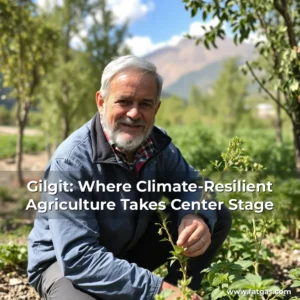
Adaptation strategies vary widely depending on geographical location, economic resources, and cultural contexts. Urban centers may prioritize flood defenses and heatwave preparedness, while rural communities might focus on sustainable agriculture practices that enhance resilience against erratic rainfall patterns.
Key dimensions of climate adaptation include:
- Infrastructure development: Investing in resilient construction materials and designs that withstand extreme weather conditions, such as elevated buildings in flood-prone zones or reinforced power grids capable of enduring high winds.
- Ecosystem-based approaches: Restoring natural barriers like mangroves and wetlands that buffer coastlines from storm surges while also supporting biodiversity conservation efforts crucial for long-term ecological stability.
These multidisciplinary solutions require collaboration among governments, private sectors, academia, and local populations to ensure effective implementation and sustained impact over time.
Moreover, technological innovations play a pivotal role in advancing adaptive capacities through smart city initiatives utilizing IoT sensors for real-time monitoring of environmental parameters or AI-driven predictive models helping planners anticipate future climatological trends accurately.
The Role of Policy Frameworks in Facilitating Effective Adaptation
Governments around the world have begun developing national adaptation plans aligned with international agreements such as the Paris Agreement’s emphasis on enhancing adaptive capacity globally.
Policy frameworks serve as blueprints guiding investments towards priority sectors most vulnerable to climate disruptions—ranging from water management systems ensuring reliable access during dry spells to healthcare infrastructures equipped to handle disease outbreaks linked to temperature fluctuations.
A critical aspect involves integrating climate considerations into existing regulatory structures without imposing undue burdens on stakeholders who need flexibility amid evolving circumstances.
Policies often incorporate risk assessments identifying hotspots where intervention would yield maximum benefit relative to costs incurred thereby promoting efficient allocation of scarce resources dedicated toward adaptation measures.
Case Study: National Adaptation Plans in Coastal Nations
Nations experiencing severe coastal erosion due to melting polar ice caps exemplify successful policy integration. For instance, Bangladesh implemented extensive drainage improvement projects alongside afforestation campaigns targeting saline intrusion prevention within its deltaic region.
Data indicates that these combined interventions reduced vulnerability indices significantly compared to control regions lacking similar proactive governance mechanisms highlighting efficacy when strategic planning meets grassroots engagement effectively.
Besides physical infrastructure upgrades, legal reforms protecting indigenous knowledge regarding traditional land use patterns contributed substantially towards culturally sensitive yet scientifically sound adaptations tailored specifically for regional needs.
Community Engagement Strategies for Sustainable Adaptation Outcomes
While top-down policymaking provides essential structural support, bottom-up participation remains equally vital for achieving meaningful progress in climate adaptation endeavors.
Engaging local communities ensures that proposed adaptations align closely with actual lived experiences enabling more targeted responses addressing specific challenges faced daily by affected populations.
Participatory methods range from town hall meetings discussing potential relocation options threatened by encroaching waters to co-designing early warning systems incorporating locally observed indicators preceding hazardous weather episodes.
This inclusive approach fosters ownership among residents making them active participants rather than passive recipients thus increasing likelihood of project sustainability beyond initial funding cycles.
Empowering Marginalized Groups Through Inclusive Planning Processes
Historically underserved groups including women-headed households, ethnic minorities, and persons living with disabilities frequently encounter heightened exposure to climate hazards necessitating deliberate inclusion in decision-making forums.
Studies show that involving marginalized voices leads not only to equitable distribution benefits but also enhances overall effectiveness since they bring forth unique perspectives derived from firsthand encounters with environmental stressors.
Supportive measures such as language accessibility accommodations during public consultations help overcome communication barriers ensuring broader representation within deliberative processes aimed at shaping future-ready environments conducive for everyone irrespective of background characteristics.
Leveraging Technology for Enhanced Adaptive Capacities
Advancements in digital technology offer unprecedented opportunities for improving both detection capabilities concerning emerging threats and response efficiency post-disaster occurrences.
Satellite imagery enables precise mapping of vulnerable landscapes allowing authorities to implement preemptive actions before damage escalates irreversibly. Drones deployed strategically can assess crop viability after heavy rains or monitor deforestation rates threatening carbon sinks critical for planetary balance maintenance.
Mobile applications provide real-time alerts regarding approaching storms or sudden temperature spikes facilitating timely evacuations minimizing casualties associated with unanticipated meteorological phenomena.
Artificial intelligence algorithms trained upon historical datasets predict likely scenarios under various emission trajectories aiding urban designers in crafting cities better suited for projected climatic realities rather than past norms.
Financial Mechanisms Supporting Climate Adaptation Initiatives
Funding constitutes one of the primary obstacles hindering widespread adoption of necessary adaptation measures particularly in low-income countries facing acute resource constraints.
Multilateral institutions such as the Green Climate Fund allocate financial assistance prioritizing projects demonstrating clear socio-economic returns coupled with measurable environmental gains reinforcing mutual reinforcement principles inherent within holistic development paradigms.
National budgets increasingly earmark portions explicitly designated for climate resilience programs recognizing that upfront expenditures today prevent far greater losses tomorrow through avoided damages stemming from inadequate preparation.
Private sector involvement expands available capital pools through green bonds issued specifically financing environmentally beneficial undertakings offering investors attractive yields alongside positive externalities benefiting wider society at large.
Educational Campaigns Promoting Climate Literacy Among Populations
Raising awareness about impending climate consequences equips citizens with requisite knowledge empowering informed choices contributing positively towards collective well-being amidst uncertain times ahead.
School curricula now integrate modules explaining basic meteorology concepts illustrating direct links between anthropogenic activities influencing atmospheric composition leading ultimately to observable climatic variations experienced currently worldwide.
Public service announcements broadcasted via radio/television platforms disseminate practical tips related to energy conservation techniques or alternative transportation modes reducing individual footprints while simultaneously building personal resilience against price volatility caused by fossil fuel market instabilities.
Interactive workshops held regularly educate attendees on emergency protocols applicable during disasters fostering confidence levels required for swift action when seconds matter critically during crisis situations.
Monitoring Progress Toward Achieved Adaptation Goals
To evaluate success metrics accurately requires establishing robust evaluation methodologies tracking performance indicators relevantly tied back to predefined objectives set initially during program inception phases.
Regular audits conducted independently verify whether allocated funds utilized appropriately yielding expected outcomes validating continued investment rationale maintaining accountability standards essential within transparent governance models advocated universally nowadays.
Feedback loops embedded within monitoring architectures allow continual refinement of strategies based upon empirical evidence collected periodically adjusting course corrections whenever discrepancies arise between intended results versus realized achievements.
Data visualization tools transform raw numbers into comprehensible formats aiding policymakers grasp nuanced relationships connecting different variables influencing final outputs attained through executed adaptation activities.
Conclusion
Climate adaptation represents a multifaceted challenge demanding coordinated action spanning multiple domains requiring commitment from all segments comprising our global civilization.
By embracing innovative technologies, enacting supportive policies, engaging communities inclusively, securing adequate finances, educating populace extensively, and rigorously evaluating outcomes continuously we position ourselves favorably against looming adversities arising from unchecked climatic alterations threatening existence itself unless addressed urgently with unified determination.