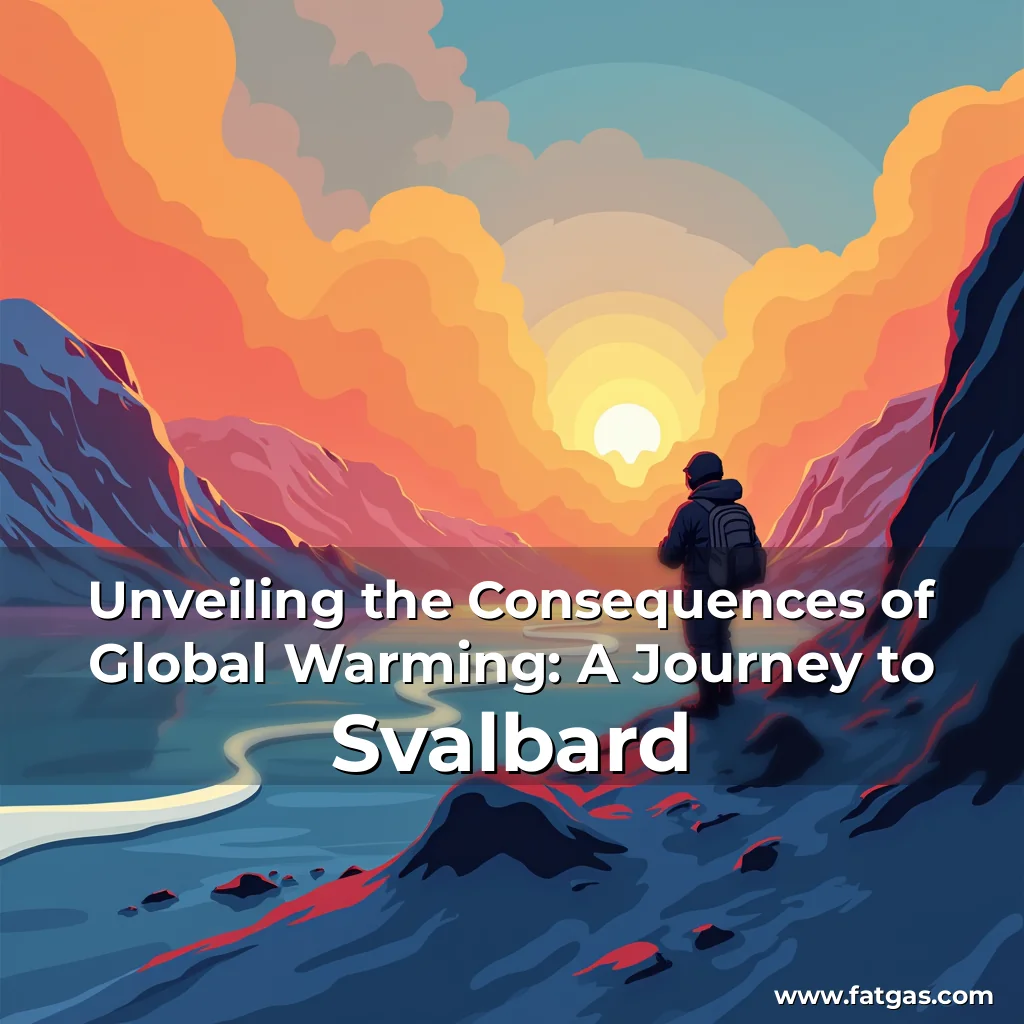
Svalbard, Norway, is the world’s northernmost and fastest-warming community, serving as a unique case study for the effects of climate change. A five-part docuseries, “Warming Signs,” premiering December 4 through December 8, will take viewers on an unprecedented journey into this warming community to understand the pivotal changes in our climate and the contributing factors to extreme weather events. The docuseries is hosted by award-winning National Environmental Correspondent David Schechter, who has embarked on a transformative exploration to grasp the implications of global warming on our planet. As part of the weeklong project, local climate stories relevant to respective CBS-owned markets will air in the local newscasts, providing a comprehensive look at the impact of climate change in various regions.
Measuring the Melting Glaciers
One of the key aspects of the docuseries is measuring the rate of glacier melt in Svalbard. Scientists are closely gauging the rate of glacier melt to project potential rises in U.S. sea levels. This data will provide valuable insights into the accelerating pace of climate change and its far-reaching consequences.
More Methane, Less Relief
Despite U.S. efforts to curb greenhouse gases, melting glaciers in Svalbard are exacerbating the issue in unexpected ways. As the ice melts, methane, a potent greenhouse gas, is released into the atmosphere, further fueling the climate crisis.
- Arctic glaciers are releasing methane at a rate 20 times faster than previously thought.
- Scientists estimate that global warming could lead to an additional 0.6°F of warming due to the increased methane emissions.
Renewable Energy in the Arctic
Svalbard is pioneering innovative renewable energy experiments in the harshest of conditions. Pioneering renewable energy experiments are underway to explore the viability of renewable energy sources in the coldest climates.
| Renewable Energy Source | Svalbard’s Experiment | Potential Impact |
|---|---|---|
| Hydroelectric Power | A pilot project is underway to harness the power of Svalbard’s glaciers and rivers. | Could provide a reliable and sustainable source of energy for the community. |
| Wind Power | Wind turbines are being tested in the harsh arctic conditions. | Could become a viable alternative to fossil fuels in the long run. |
Avalanche Safety in the Arctic
Svalbard is pioneering early warning systems to prevent avalanches, potentially benefiting global safety measures. This innovative approach could save lives and reduce the risk of accidents in the arctic terrain.
- Avalanche prediction systems are being developed using advanced technology and machine learning algorithms.
- The systems will provide critical warnings to skiers and snowboarders, allowing them to take necessary precautions.
Disappearing Ice, Disappearing Winter
Svalbard’s lack of freezing sea ice, a consequence of rapid Arctic warming, could impact winter weather patterns across the United States. This phenomenon is a stark reminder of the far-reaching consequences of climate change.
Coastal Markets
The docuseries will also focus on the impact of rising sea levels on coastal communities and adaptation strategies in the face of relentless climate change. Local climate stories will air in the local newscasts, highlighting the resilience and adaptability of these communities.
- Rising sea levels are threatening coastal communities and ecosystems worldwide.
- Adaptation strategies, such as sea walls and green infrastructure, are being implemented to mitigate the effects of climate change.
Inland Markets
The docuseries will also shed light on the escalating unpredictability of winter weather and its repercussions on local populations. Local climate stories will air in the local newscasts, highlighting the challenges and opportunities facing these communities.
- Winter weather patterns are becoming increasingly unpredictable due to climate change.
- Local populations are adapting to these changes, developing new strategies for winter preparedness and emergency response.
On the Dot with David Schechter
The weeklong docuseries will culminate in an hour-long “On The Dot with David Schechter” climate special from Norway, which CBS Stations will stream and air starting December 8. This special will provide a comprehensive look at the implications of global warming and the innovative solutions being developed to address it.
Special Air Dates
The special will air and stream on CBS Stations starting December 8, but viewers can catch daily segments from Norway by Schechter in the local newscasts, providing a comprehensive look at the impact of climate change in various regions.