The Polar Vortex: A Cold Mass of Air
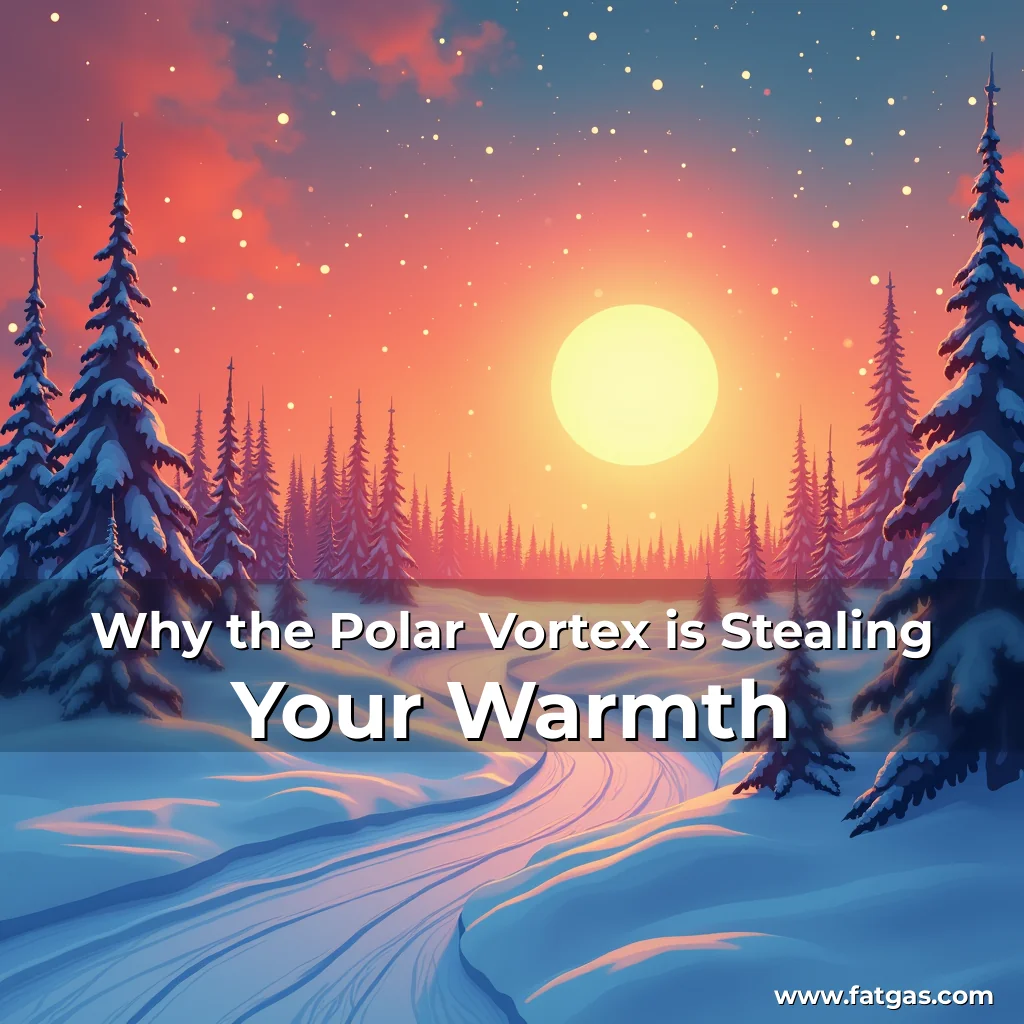
The polar vortex, a swirling mass of cold air high in the stratosphere, is a complex system that has gained significant attention in recent years due to its potential to cause extreme cold snaps. The vortex is a high-altitude ribbon of cold air that circles the Arctic, and it plays a crucial role in shaping the weather patterns on our doorstep. Understanding the Polar Vortex
The polar vortex is a global phenomenon that is influenced by various factors, including the Earth’s rotation, the position of the Sun, and the movement of the jet stream. The jet stream is a fast-moving band of air that flows from west to east across the North Atlantic and the North Pacific, and it plays a key role in shaping the weather patterns in these regions. How the Polar Vortex Affects Weather
The polar vortex affects weather in several ways. Firstly, it helps to maintain the cold temperatures in the Arctic by preventing warm air from entering the region. This helps to keep the Arctic ice cap intact, which in turn affects the global climate. Two Vortex Patterns, Two U.S. Outcomes
The polar vortex has two distinct variations, both linked to what scientists call a “stretched” vortex—a distorted and displaced circulation pattern that leads to unusual weather on the ground. One variation pushes the vortex toward western Canada, setting the stage for intense cold in the Northwestern U.S. The other variation nudges the vortex toward the North Atlantic, unleashing frigid air across the Central and Eastern U.S. Both versions are associated with changes in how atmospheric waves bounce around the globe—essentially altering the jet stream and dragging Arctic air far southward. A Westward Shift in the Cold
The researchers found that since 2015, much of the northwestern U.S. has been getting colder in winter, contrary to broader warming trends. The researchers tie this shift to the increased frequency of the westward-focused vortex pattern, which also coincides with stronger negative phases of the El Niño/Southern Oscillation (ENSO)—a key global climate driver. “Climate change doesn’t just mean warming everywhere all the time. It also means more complex and sometimes counterintuitive shifts in where extreme weather shows up,” explained the researchers. Why It Matters
These findings help explain recent cold waves in places like Montana, the Plains and even Texas as in February 2021 (which was very costly in terms of deaths and insured losses), while other regions may experience milder winters. Understanding the stratosphere’s fingerprints on weather patterns could improve long-range forecasting, allowing cities, power grids, and agriculture to better prepare for winter extremes—even as the climate warms overall. What Does the Future Hold? As the climate continues to change, it is likely that the polar vortex will continue to play a significant role in shaping the weather patterns on our doorstep. The researchers’ findings suggest that the polar vortex is not just a simple cold mass of air, but a complex system that is influenced by various factors. Conclusion
The polar vortex is a fascinating phenomenon that continues to capture the public’s imagination. However, its impact on our weather patterns is not just limited to extreme cold snaps. The researchers’ findings suggest that the polar vortex has a more complex role to play in shaping the weather patterns on our doorstep, and that its impact will continue to be felt in the years to come.
Key Points to Remember
- The polar vortex is a complex system that affects weather patterns on our doorstep.
- The polar vortex has two distinct variations, both linked to a “stretched” vortex—a distorted and displaced circulation pattern that leads to unusual weather on the ground.
- The polar vortex affects weather in several ways, including maintaining cold temperatures in the Arctic and shaping the jet stream.
- Understanding the polar vortex’s fingerprints on weather patterns could improve long-range forecasting and prepare cities, power grids, and agriculture for winter extremes.
Definitions
A distorted and displaced circulation pattern that leads to unusual weather on the ground.
A fast-moving band of air that flows from west to east across the North Atlantic and the North Pacific.
A key global climate driver that affects the Earth’s climate.
A swirling mass of cold air high in the stratosphere that circles the Arctic.
The second layer of the atmosphere, extending from about 10 to 50 kilometers above the Earth’s surface.
References
- Study published in Science Advances
- Research team includes Prof. Chaim Garfinkel, Dr. Laurie Agel, Prof. Mathew Barlow, Prof. Judah Cohen, Karl Pfeiffer, Prof. Jennifer Francis, and Prof.