The Sendai Framework for Disaster Risk Reduction: A Decade of Progress
The Sendai Framework for Disaster Risk Reduction, adopted in 2015, marked a significant shift in the global approach to disaster risk reduction.
Understanding Disaster Sociologists
Disaster sociologists are experts who study the social and cultural impacts of disasters on communities. They examine the effects of disasters on individuals, groups, and societies, and work to develop strategies for long-term recovery and resilience.
Expert Insights
Shigeo Tatsuki, a renowned disaster sociologist, has dedicated his career to understanding the social and cultural impacts of disasters. His work focuses on long-term recovery for vulnerable populations, including those affected by natural disasters, conflicts, and other crises. Kristen Guida, Head of Strategy, Prevention, and Community Resilience at the Greater London Authority, brings a unique perspective to disaster sociology.
Key Findings and Implications
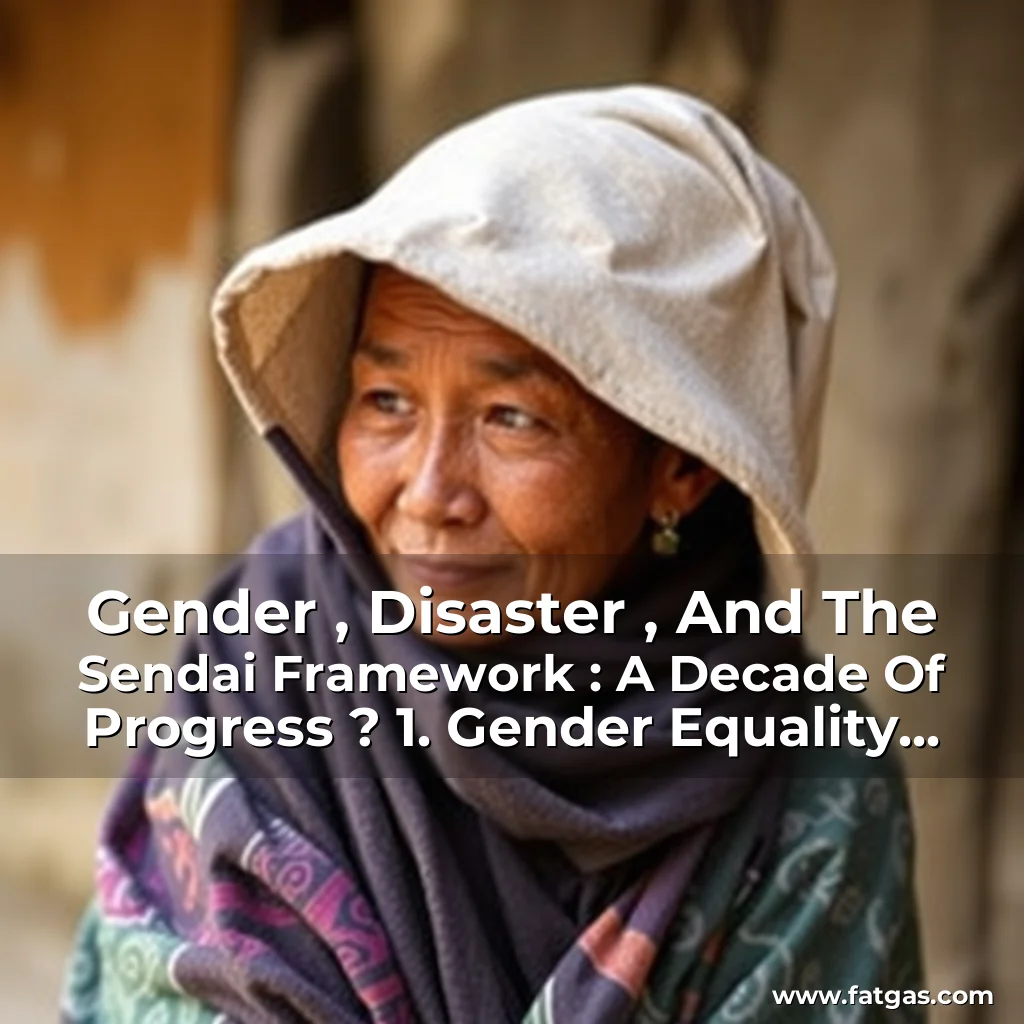
The research conducted by Dr. Miwako Kitamura and Louisa Acciari highlights the importance of considering the intersectionality of gender and disaster risk reduction. The study focuses on the experiences of women in the context of natural disasters, particularly in Latin America. • The research emphasizes the need for a more nuanced understanding of the impact of disasters on women, taking into account their social, economic, and cultural contexts. • The study also highlights the importance of involving women in the decision-making process of disaster risk reduction and management.
The Intersection of Disasters and Health
The intersection of disasters and health is a complex and multifaceted field that has gained significant attention in recent years. As disasters strike communities worldwide, the health impacts can be devastating, with widespread injuries, illnesses, and even fatalities.